Your Neighbors Are Quietly Judging Your Outdated Siding
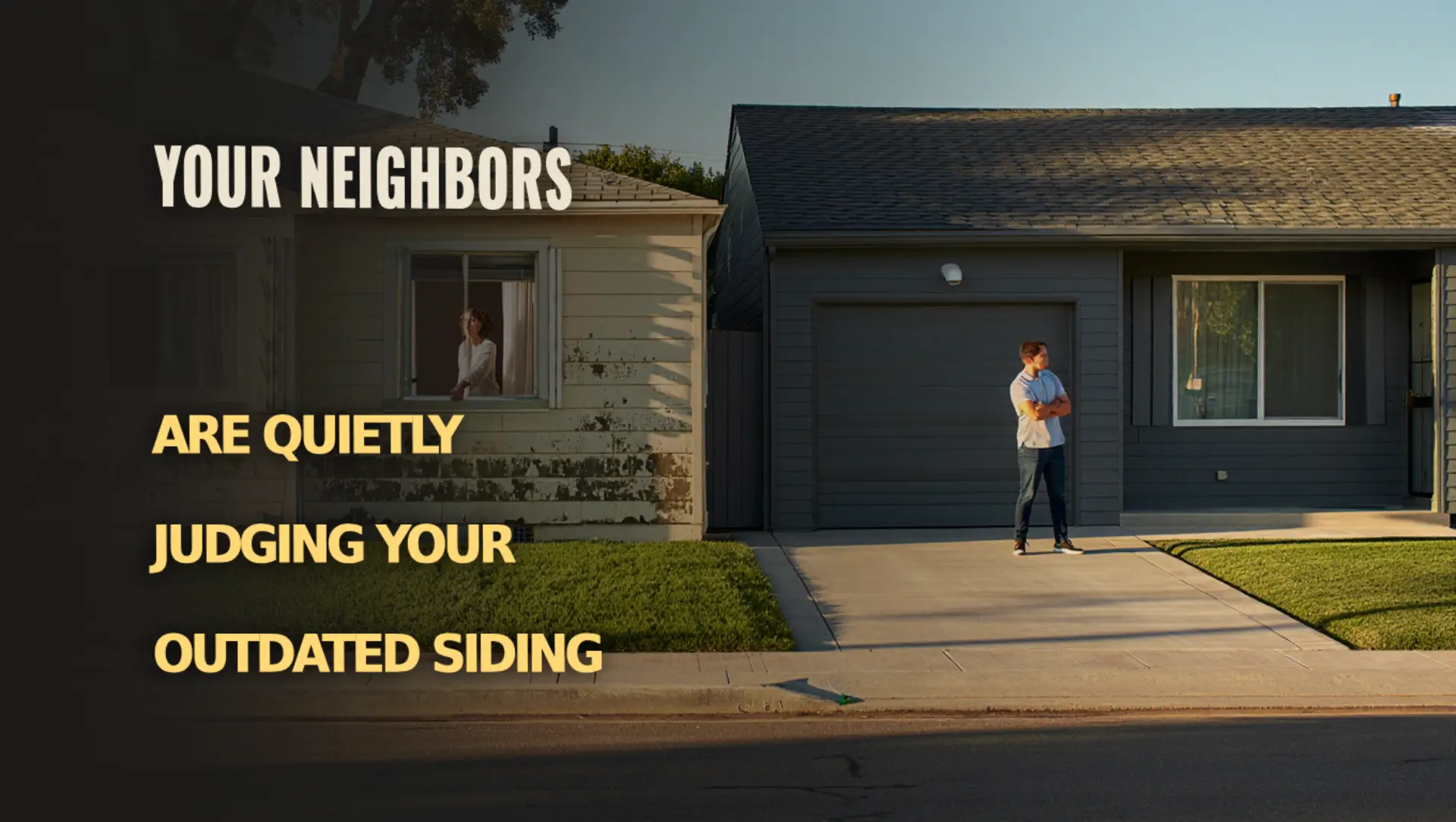
You pull into your driveway every evening, and honestly, your home’s exterior makes you cringe a little. That vinyl siding from the early 2000s has faded to an uneven yellow-gray mess, the trim pieces are pulling away from the house, and — what’s particularly unpleasant — you’ve started avoiding hosting barbecues because your backyard view includes that embarrassing side wall.
If you’ve ever driven through newer developments and wondered why those homes look so much more expensive than yours, the answer often lies in their siding choices. Modern siding ideas aren’t just about aesthetics — they’re about creating homes that photograph well, sell quickly, and don’t require constant maintenance.
The problem isn’t that your house lacks potential. The problem is that outdated siding telegraphs “deferred maintenance” and “budget renovation” to everyone who sees it, including potential buyers when you eventually sell.
But here’s what’s encouraging: the right siding ideas can transform your home’s appearance more dramatically than any other single renovation — and often for less money than you’d spend on a kitchen remodel.
- 1. The Real Cost of Cheap Siding Decisions
- 2. Board and Batten: The Unexpected Comeback King
- 3. Mixing Textures: The Professional Designer’s Secret
- 4. Color Psychology: Beyond Personal Preference
- 5. Fiber Cement: The Material Revolution
- 6. Installation Reality: Where Things Go Wrong
- 7. Modern Minimalism vs. Textural Interest
- 8. Energy Efficiency: The Hidden Benefit
- 9. Maintenance Realities: Planning for the Future
- 10. Cost Analysis: Investment vs. Value
- 11. Making Your Decision: Practical Next Steps
The Real Cost of Cheap Siding Decisions
Let me share something that might shock you. Last month, I talked with Rebecca Chen, a realtor who specializes in suburban renovations. She told me about two identical houses on the same street — same floor plan, same lot size, built the same year. The one with modern fiber cement siding sold for $47,000 more than the one with aging vinyl.
That’s not an anomaly, by the way. Quality siding improvements typically return 75-85% of their cost at resale, making them one of the most financially sound home improvements you can make.
But the financial benefits extend beyond resale value. Energy-efficient siding can reduce heating and cooling costs by 15-25% annually. For most homeowners, that’s hundreds or even thousands of dollars in savings that continue year after year.
Then there’s the maintenance factor — something most people don’t consider before the problems start. Cheap siding requires repainting every 5-7 years, regular caulking, and frequent repairs. Quality options like fiber cement or engineered wood can go decades with minimal maintenance beyond occasional cleaning.
Board and Batten: The Unexpected Comeback King
Here’s something interesting about trends — sometimes the most “traditional” options become the most modern-looking when executed properly. Board and batten siding exemplifies this perfectly.
Traditional board and batten used narrow boards with wide spacing, creating a rustic farmhouse appearance. Modern siding ideas flip this relationship, using wider boards with narrow battens for a cleaner, more contemporary look.
The versatility surprises most homeowners. Board and batten works beautifully on modern farmhouse designs, but also looks excellent on contemporary homes when rendered in sophisticated colors like charcoal gray or deep navy.
Installation technique makes a huge difference here. Cheap board and batten installations use thin materials that warp and gap over time. Quality installations use thicker boards with proper backing and weatherproofing that maintain clean lines for decades.
Color selection elevates board and batten from “country” to “sophisticated.” While white remains popular, deeper colors like forest green, midnight blue, or even black create striking modern appearances that photograph beautifully.
Mixing Textures: The Professional Designer’s Secret
Most homeowners stick with single siding materials out of fear of doing something wrong. That’s understandable but limiting. Professional designers routinely combine different textures to create visual interest and highlight architectural features.
A common approach involves using smooth siding as the primary material with board and batten accents around windows, doors, or on specific walls. This creates depth and prevents the “flat” appearance that single-material installations often produce.
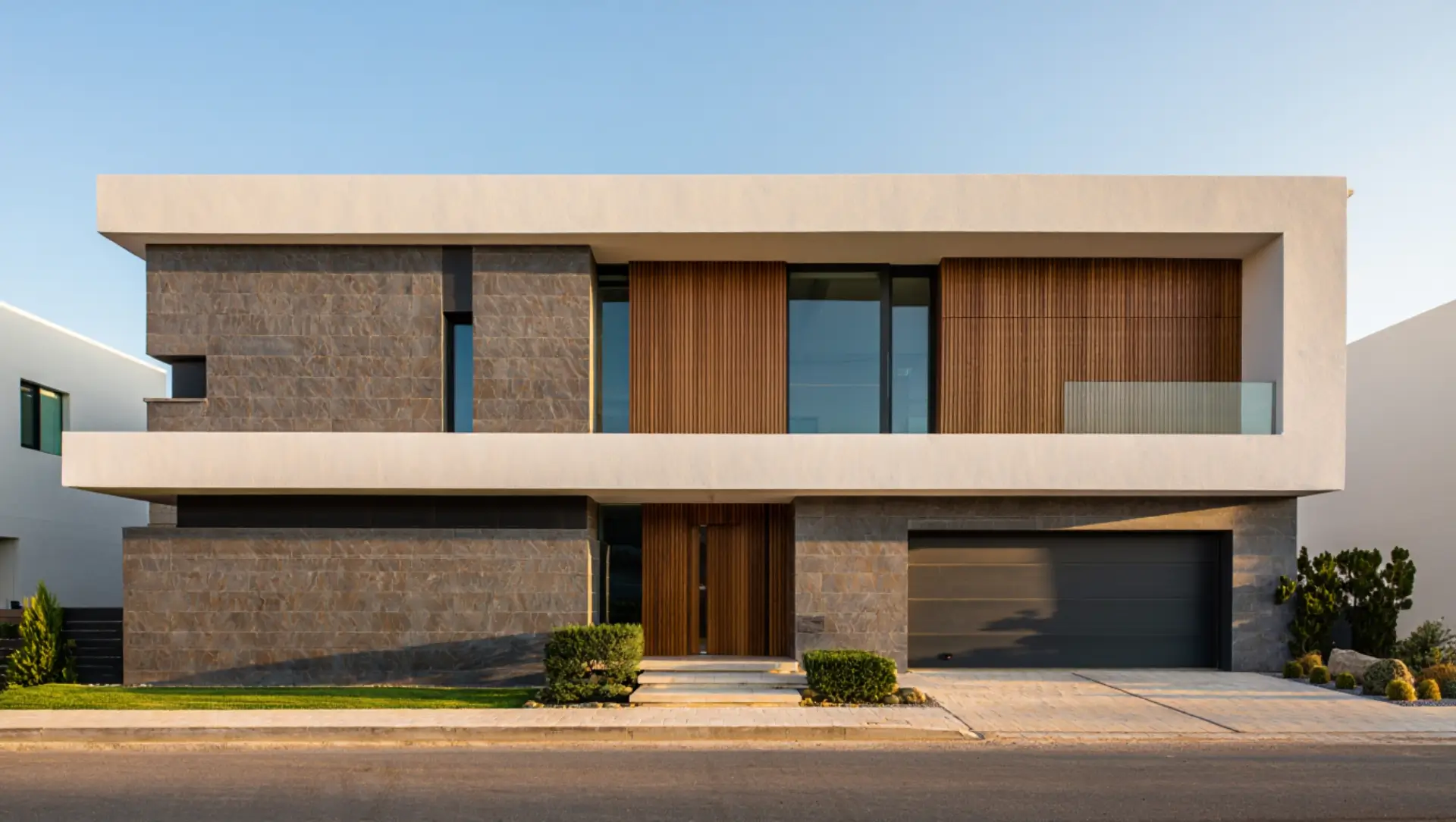
Stone or brick accents paired with modern siding materials create sophisticated combinations that suggest custom architectural design rather than builder-grade construction. The key lies in proportion — accent materials should enhance rather than compete with the primary siding.
Horizontal and vertical combinations work particularly well on contemporary homes. Horizontal siding on main walls with vertical accents on entryways or bump-outs creates dynamic visual flow that makes homes appear larger and more architecturally significant.
Color Psychology: Beyond Personal Preference
Color selection for siding involves more complexity than most people realize, and the choice can significantly affect how your home is perceived. Different colors affect how people perceive your home’s size, style, and maintenance level.
Dark colors make homes appear smaller but more sophisticated. They also hide dirt and minor imperfections better than light colors. However, dark siding can increase cooling costs in hot climates due to heat absorption.
Light colors make homes appear larger and more traditional. They reflect heat effectively but show dirt, pollen, and stains more readily. Maintenance requirements increase with lighter color choices.
Medium tones offer the best compromise for many homeowners — sophisticated enough to appear current, practical enough to hide normal wear, and versatile enough to work with various landscaping and trim combinations.
Modern siding ideas increasingly incorporate multiple colors strategically. A primary color covers most surfaces, while complementary accent colors highlight architectural features, creating visual interest without overwhelming the overall design.
Fiber Cement: The Material Revolution
Traditional siding materials — wood, vinyl, aluminum — each carried significant compromises. Wood requires constant maintenance, vinyl looks cheap and fades, aluminum dents easily. Fiber cement eliminates most of these problems while offering design flexibility that exceeds any single traditional material.
Fiber cement can mimic wood grain, smooth stucco, cedar shakes, or virtually any texture imaginable. This versatility allows homeowners to achieve specific aesthetic goals without accepting the maintenance penalties traditional materials require.
Durability represents fiber cement’s greatest advantage. Quality installations can last 50+ years with minimal maintenance beyond occasional cleaning. Compare that to vinyl (requiring replacement every 15-20 years) or wood (requiring repainting every 5-7 years plus ongoing repairs).
Fire resistance provides an additional benefit that’s becoming increasingly important as wildfire risks increase in many regions. Fiber cement won’t ignite or contribute to fire spread, potentially reducing insurance costs while providing peace of mind.
Installation Reality: Where Things Go Wrong
Even premium siding materials fail when installed incorrectly — and this happens more often than most people realize. The difference between professional and amateur installation becomes apparent within a few years through warping, gaps, water infiltration, and premature failure.
Proper installation requires understanding of thermal expansion, moisture management, and local climate factors. Shortcuts during installation create problems that become expensive to fix later.
Quality installers use appropriate fasteners, maintain consistent spacing, and ensure proper backing and weatherproofing behind every piece. They understand that the siding you see represents only half the installation — the hidden structural elements determine long-term performance.
Warranty coverage varies dramatically between installers. Reputable contractors offer comprehensive warranties covering both materials and labor, while less established installers may provide minimal coverage that leaves homeowners responsible for problems.
Modern Minimalism vs. Textural Interest
Current siding ideas pull in two seemingly opposite directions — ultra-clean minimalism and rich textural variety. Both approaches work, but they require different execution strategies to succeed.
Minimalist approaches rely on clean lines, consistent materials, and subtle color variations. Success depends on perfect installation quality since any imperfections become highly visible. Window and door trim must align precisely, and joints must remain consistent throughout the installation.
Textural approaches combine multiple materials, colors, or installation patterns to create visual interest. This style forgives minor installation imperfections better but requires careful planning to avoid appearing chaotic or confused.
Your home’s architectural style should guide this choice. Contemporary homes often benefit from minimalist approaches, while traditional or transitional styles may support more textural variety.
Energy Efficiency: The Hidden Benefit
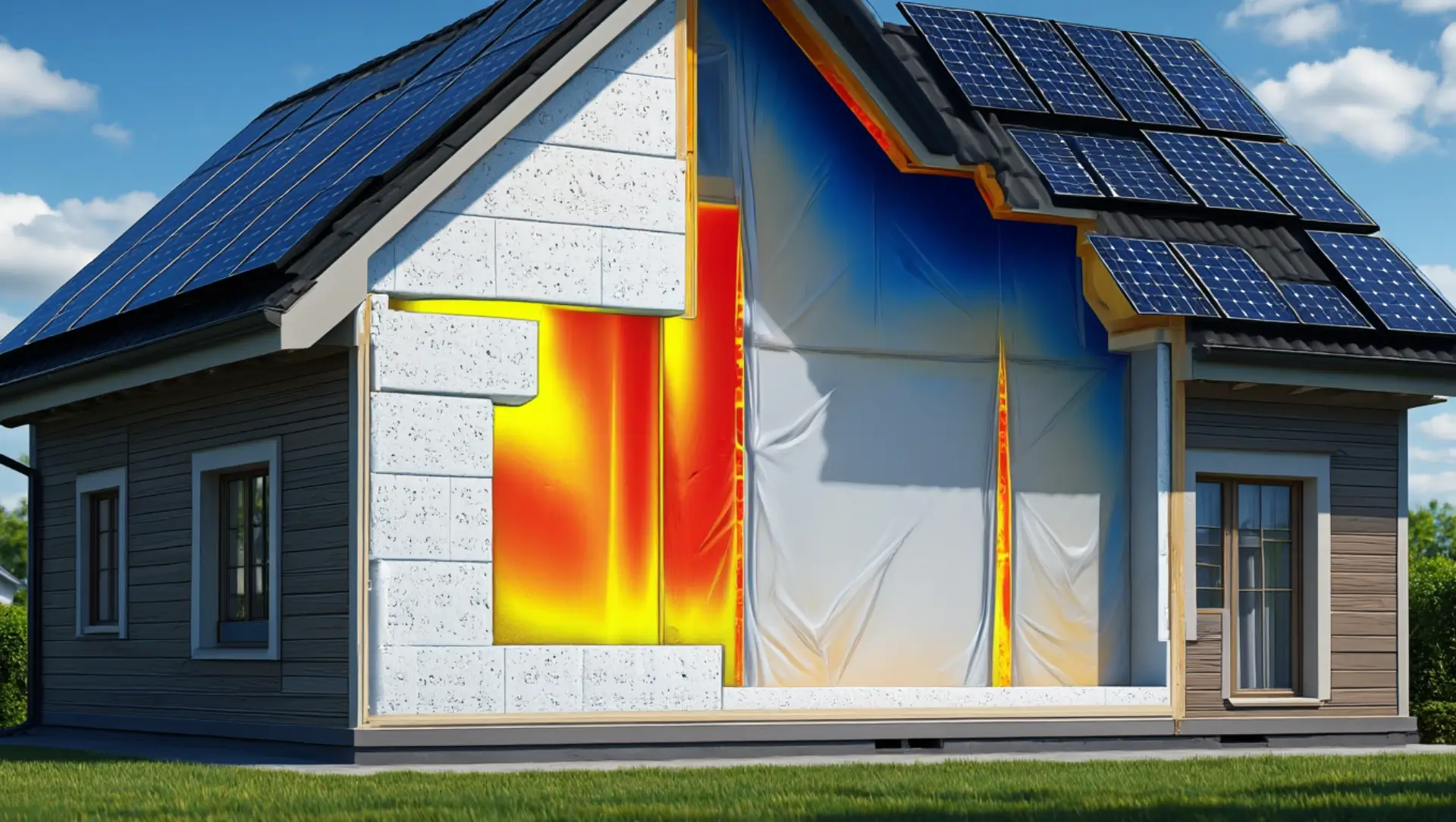
Quality siding contributes significantly to home energy efficiency through improved insulation and air sealing — benefits that continue saving money for decades after installation.
Insulated siding options include foam backing that increases R-value while reducing thermal bridging through wall studs. This improvement can reduce energy costs substantially, particularly in older homes with minimal wall insulation.
Air sealing during siding installation prevents drafts that force heating and cooling systems to work harder. Professional installers seal around windows, doors, and penetrations while ensuring proper vapor barrier installation.
Color selection affects energy performance significantly. Light colors reflect solar heat, reducing cooling costs but potentially increasing heating costs in cold climates. Dark colors absorb heat, increasing cooling costs but potentially reducing heating costs.
Maintenance Realities: Planning for the Future
Different siding materials require vastly different maintenance commitments — something many homeowners don’t consider until it’s too late.
Wood siding requires the most maintenance: regular painting or staining, caulking, repairs to damaged boards, and ongoing pest prevention. Budget for major maintenance every 5-7 years plus annual touch-ups.
Vinyl siding requires minimal maintenance but limited repair options. Damaged pieces must be replaced entirely, and color matching becomes difficult as the material ages and fades. Pressure washing annually keeps it looking fresh.
Fiber cement strikes the optimal balance for most homeowners — minimal ongoing maintenance with excellent repair options when needed. Quality installations can go 10-15 years between paint cycles while maintaining their appearance.
Cost Analysis: Investment vs. Value
Siding replacement represents a significant investment, but the financial return often exceeds the initial costs when you factor in energy savings, maintenance reduction, and increased property value.
Budget siding options (vinyl, aluminum) cost $3-8 per square foot installed but require replacement sooner and provide minimal property value increase. Premium options (fiber cement, engineered wood) cost $8-15 per square foot but last longer and increase property values significantly.
Most homeowners recover 75-85% of their siding investment at resale, making it one of the most financially sound home improvements available. Energy savings and reduced maintenance costs often cover the remaining investment over time.
Making Your Decision: Practical Next Steps
If your current siding embarrasses you or costs too much to maintain, here’s your action plan:
This week: Walk around your house and photograph problem areas. Research modern siding ideas that complement your home’s architectural style.
Next week: Get quotes from 3-4 reputable contractors who specialize in your preferred materials. Focus on companies with comprehensive warranties and local references.
Within two months: Make your decision and schedule installation during optimal weather conditions for your region.
Quality siding transformation begins improving your home’s appearance immediately while providing long-term benefits that extend far beyond curb appeal.
Your home deserves siding that makes you proud to pull into your driveway every evening. The materials exist, the techniques work, and the return on investment justifies the expense. Stop accepting outdated siding as permanent — the solutions are more accessible than you think.