Your Dream Villa Turned Into a Storage Nightmare (The Extension Solution No One Talks About)
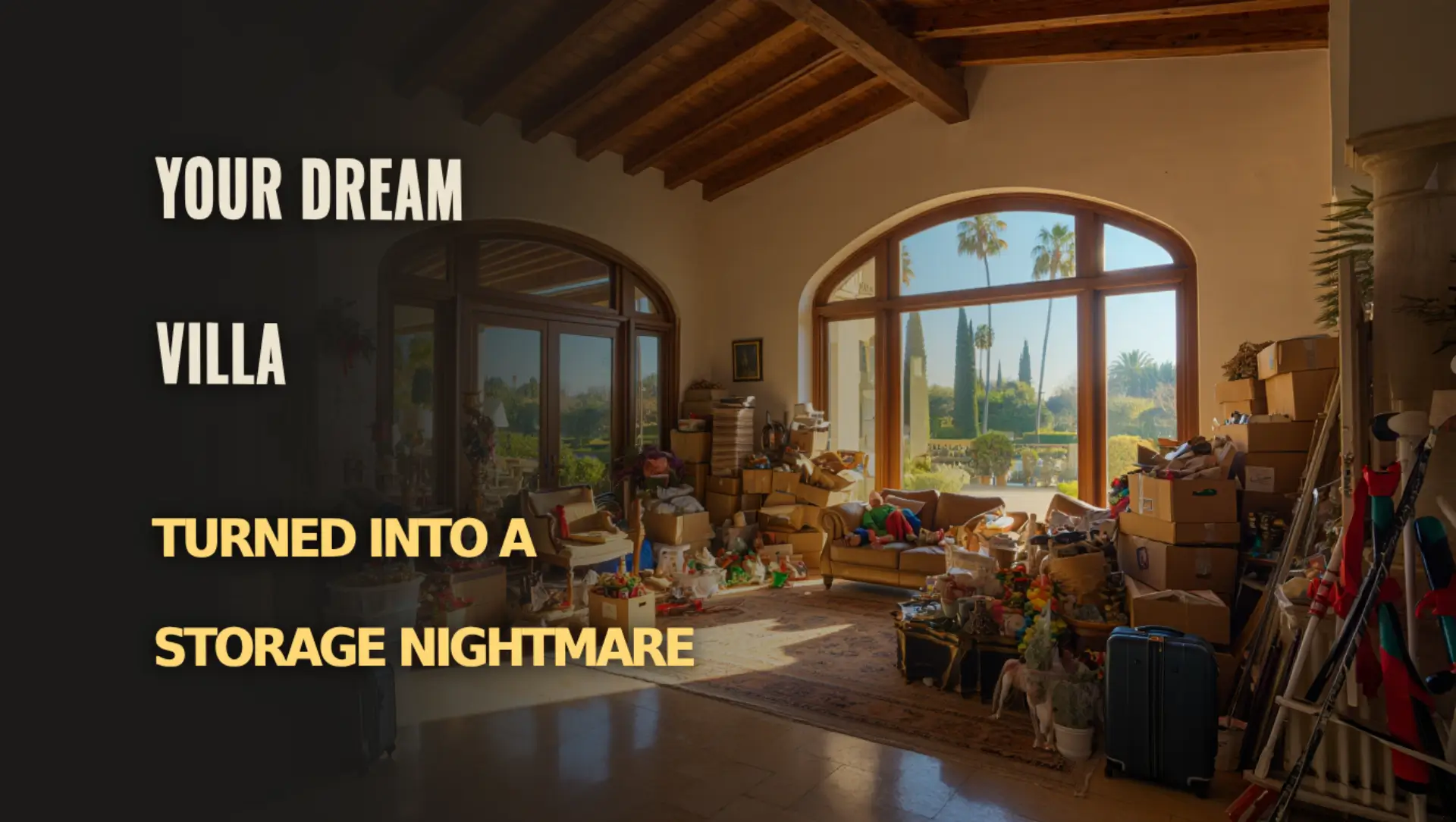
Remember when you first walked through your Dubai villa? The spacious living room, the perfect master suite, those gorgeous outdoor areas that made you fall in love with the property? Fast-forward three years, two children, a home office requirement, and suddenly that same “spacious” villa feels like you’re playing Tetris with furniture just to move around.
If you’ve found yourself thinking “we need a bigger house” every time you trip over toys in the hallway or struggle to find a quiet corner for a video call — you’re not alone. Most Dubai villa owners hit this wall within 5-7 years of ownership, when changing family needs clash with fixed home layouts.
Here’s what’s frustrating: moving to a larger villa in a comparable neighborhood could cost you AED 1-3 million more, plus all the hassles of selling, buying, and relocating. But there’s another approach that smart Dubai homeowners are discovering — strategic villa extension that solves space problems while dramatically increasing property value.
The trick lies in understanding what works (and what doesn’t) in Dubai’s unique regulatory and climate environment.
- 1. When Moving Makes No Financial Sense
- 2. Dubai Municipality’s Extension Reality Check
- 3. Second-Story Extensions: Maximum Impact, Minimum Disruption
- 4. Ground-Level Extensions: Seamless Integration Challenges
- 5. Material Choices That Survive Dubai’s Environment
- 6. The Hidden Costs Everyone Forgets
- 7. Design Integration: Making Extensions Look Original
- 8. Contractor Selection: Avoiding Expensive Mistakes
- 9. ROI Analysis: When Extensions Pay Off
- 10. Living Through Construction: Survival Strategies
When Moving Makes No Financial Sense
Let me tell you about Priya Sharma’s situation. She owns a 4-bedroom villa in Arabian Ranches that she bought for AED 2.8 million in 2019. By 2023, her family had outgrown the space — teenage kids needed privacy, her husband needed a proper home office, and they desperately wanted a larger kitchen for entertaining.
Comparable 6-bedroom villas in the same community were selling for AED 4.5-5 million. After factoring in real estate fees, moving costs, and expenses for setting up the new home, the total expense would have exceeded AED 2.2 million.
Instead, Priya invested AED 850,000 in a thoughtfully designed villa extension that added 1,200 square feet — a master suite addition, expanded kitchen, and converted garage into a home office. The result? Her family got everything they needed, and the property’s current valuation increased to AED 4.1 million.
The mathematics become even more compelling when you consider that successful extensions typically cost 40-60% less per square foot than purchasing additional space through relocation.
Dubai Municipality’s Extension Reality Check
Here’s something most villa owners don’t realize until they start researching: Dubai has specific regulations governing residential extensions that vary significantly by community and emirate. What works in Emirates Hills might be completely prohibited in The Greens.
Building coverage ratios — the percentage of your plot that structures can occupy — often determine extension feasibility more than your budget does. Many communities limit total coverage to 60-70% of plot area, meaning your existing villa’s footprint plus any additions cannot exceed this threshold.
Setback requirements add another layer of complexity. Extensions must maintain specific distances from property boundaries, which can severely limit design options on smaller plots. However, and this is important to understand, these restrictions often apply only to ground-level additions — upper-level extensions may have different rules.
Height restrictions present the third major consideration. While many communities allow two-story construction, some limit total building height to 10-12 meters, affecting how much additional space you can realistically add.
The permit process itself takes 3-6 months for most extensions, assuming no complications. Rush applications exist but cost significantly more and aren’t guaranteed to proceed faster.
Second-Story Extensions: Maximum Impact, Minimum Disruption
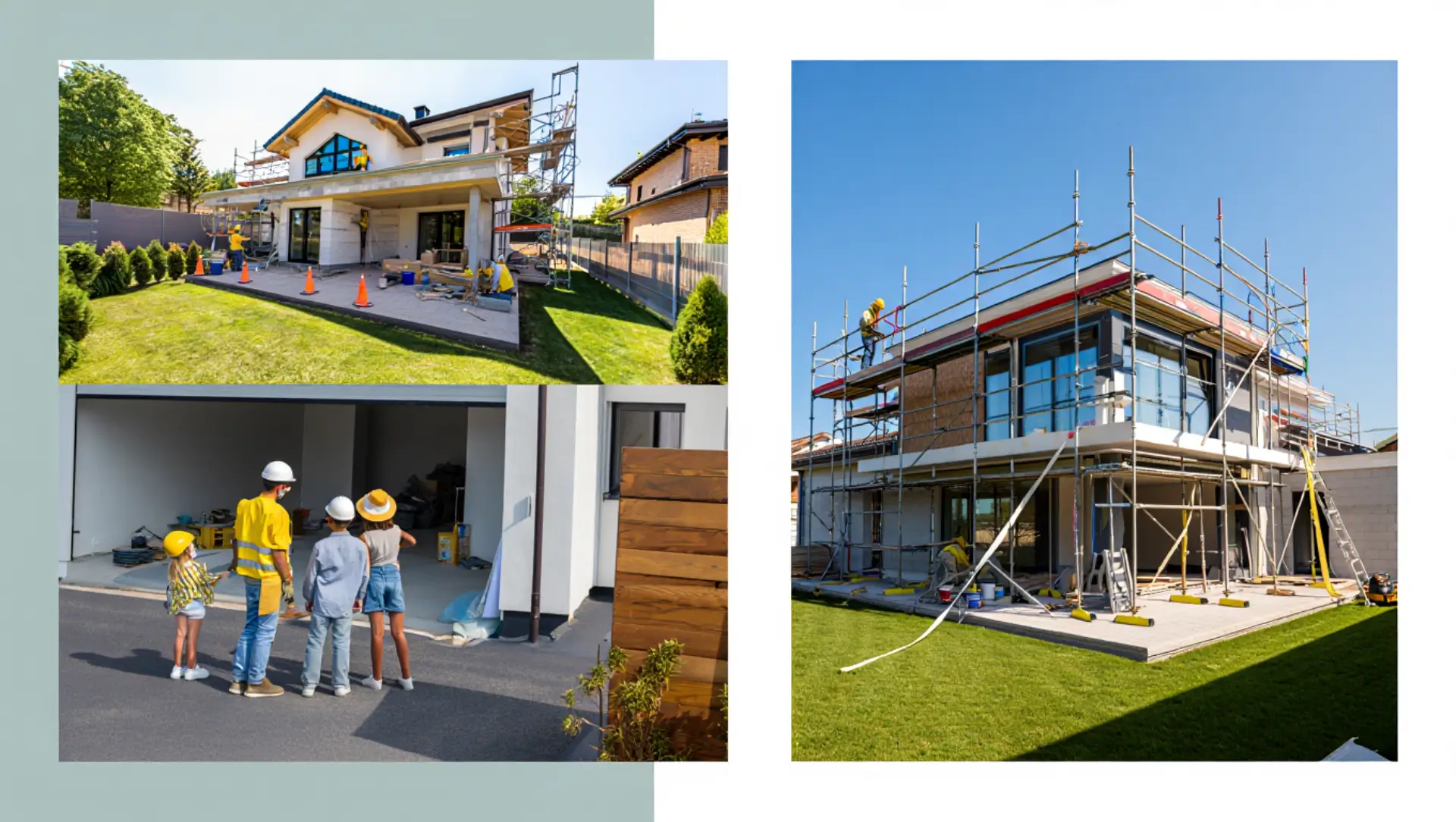
Adding a second story represents the most space-efficient villa extension approach for most Dubai properties, particularly in communities with generous height allowances but restrictive ground coverage limits.
The structural assessment comes first — not all single-story villas were designed to support additional floors. Original construction methods, foundation depth, and existing structural elements determine feasibility. Professional structural engineers can evaluate this within 1-2 weeks, costing AED 3,000-8,000 for comprehensive analysis.
Assuming structural viability, second-story additions typically provide the best value per square foot. You’re building on existing foundation and utility infrastructure while maximizing land use efficiency. Moreover, upper-level additions often offer better views and privacy than ground-level expansions.
Climate considerations become crucial for second-story work in Dubai. Additional insulation, upgraded HVAC capacity, and strategic window placement help manage increased heat load from elevated exposure. Proper planning prevents the new level from becoming uncomfortably warm during summer months.
Construction logistics for second-story extensions require careful coordination. Your family typically needs temporary accommodation during structural work, adding temporary expenses to the overall project budget. However, most second-story projects complete within 4-6 months, minimizing disruption compared to full relocations.
Ground-Level Extensions: Seamless Integration Challenges
When lot coverage permits, ground-level villa extensions offer advantages that second-story additions cannot match — seamless indoor-outdoor flow, easier construction access, and no structural limitations from existing foundations.
Kitchen extensions represent the most popular ground-level addition type. Many Dubai villas feature kitchens designed for smaller families or different entertaining styles than current owners prefer. Expanding kitchen space typically involves extending into outdoor areas, requiring careful coordination with landscape design and utility relocation.
Master suite additions solve privacy problems common in original villa layouts where bedrooms are clustered together. Ground-level master suite extensions can include private outdoor access, dedicated parking, and separated HVAC zones for personalized comfort control.
Home office extensions gained popularity during remote work transitions but remain valuable even as office requirements evolve. Separate entrances allow business use without disrupting family areas, while dedicated parking accommodates clients or employees.
The integration challenge lies in making additions appear original rather than obviously tacked-on. Roofline continuity, matching materials, and proportional design prevent extensions from looking like afterthoughts that harm property aesthetics and values.
Material Choices That Survive Dubai’s Environment
Dubai’s climate creates unique challenges for extension materials — intense heat, occasional sandstorms, high humidity in coastal areas, and significant temperature fluctuations between day and night.
Concrete block construction remains the most reliable structural choice for villa extensions, offering excellent thermal mass and durability. However, proper insulation becomes critical to prevent heat transfer and maintain comfortable interior temperatures without excessive increases in air conditioning costs.
Exterior finishing materials must withstand UV exposure, thermal expansion, and occasional sand abrasion. Stone cladding, high-quality stucco, and fiber cement siding perform well, while cheaper materials like vinyl or basic wood siding deteriorate quickly.
Window and door selections significantly impact extension performance and comfort. Double-glazed units with low-E coatings reduce heat gain while maintaining visibility. Quality weatherstripping and proper installation prevent dust infiltration and air leakage.
Roofing materials deserve special attention for extensions. Reflective surfaces help reduce heat absorption, while proper ventilation prevents moisture buildup. Clay tiles offer excellent thermal performance but require structural support; metal roofing provides lighter weight but needs insulation for sound dampening.
The Hidden Costs Everyone Forgets
Extension budgets frequently exceed initial estimates because homeowners underestimate indirect costs that don’t appear in basic construction quotes.
Utility upgrades often become necessary when extensions significantly increase home square footage. Electrical panels may need expansion, HVAC systems require additional capacity, and plumbing systems need extension to new areas. Budget an additional 15-25% of construction costs for utility modifications.
Permit and approval fees vary by community but typically range from AED 10,000-30,000 for substantial extensions. Engineering reports, architectural drawings, and municipal inspections add further costs that many homeowners don’t anticipate.
Temporary accommodation during construction phases can cost AED 8,000-15,000 monthly for families who cannot remain in their homes during major work. Even partial relocations while work progresses add unexpected expenses.
Landscape restoration becomes necessary after most ground-level extensions. Construction equipment damages existing gardens, irrigation systems require modification, and outdoor lighting needs updating. Budget AED 15,000-50,000 for comprehensive landscape restoration depending on property size.
Design Integration: Making Extensions Look Original
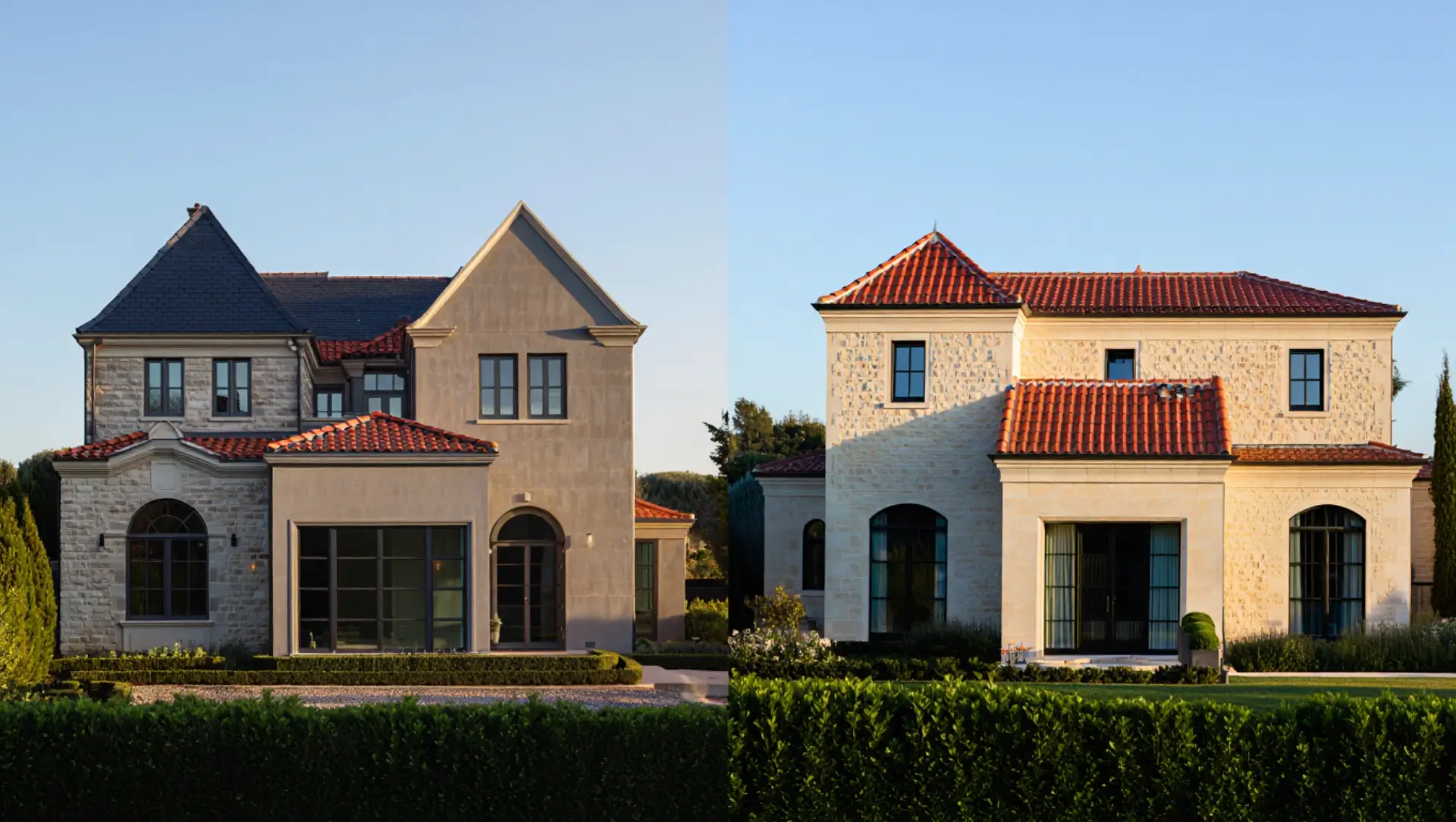
The difference between successful and obvious villa extensions often lies in architectural integration rather than construction quality. Extensions that complement existing design elements maintain property values while obvious additions can actually decrease appeal to future buyers.
Roofline continuation creates visual unity between original structures and additions. Extensions with different roof styles or heights often appear disjointed and clearly added later. Matching pitches, materials, and overhangs help additions blend seamlessly.
Window proportions and placement should echo existing patterns throughout the villa. Extensions with randomly placed or differently styled windows break visual continuity and can make the home less appealing to potential buyers in the future.
Material matching requires attention to aging and weathering patterns. Brand-new materials often contrast sharply with weathered original surfaces, creating obvious dividing lines. Some contractors artificially age new materials or plan for gradual color blending over time.
Interior flow between original and new spaces requires careful planning. Awkward transitions, level changes, or inconsistent finishes make extensions feel separate rather than integrated. Successful extensions feel like natural parts of the original home.
Contractor Selection: Avoiding Expensive Mistakes
Dubai’s construction market includes highly skilled contractors and inexperienced operators charging similar rates. The difference becomes apparent only after work begins, when fixing mistakes costs more than doing it right from the start.
Portfolio evaluation should focus on similar projects rather than general construction experience. Villa extension work requires specific skills in structural integration, permit navigation, and architectural coordination that differ from new construction or basic renovations.
Municipal approval experience separates qualified contractors from general builders. Extension permits involve complex regulations and inspection requirements that inexperienced contractors often mishandle, creating delays and additional costs.
Reference checks become crucial for extension work since families typically continue living nearby during construction. Previous clients can provide insights into noise management, timeline adherence, and cleanup practices that affect daily life during projects.
Warranty coverage varies dramatically between contractors. Comprehensive warranties should cover structural work, waterproofing, and system integration for minimum 2-3 years. Limited warranties often exclude expensive problems that emerge after completion.
ROI Analysis: When Extensions Pay Off
Not all villa extensions provide positive returns on investment, making financial analysis important before committing to major projects.
Extensions in high-demand communities typically provide better returns than those in oversupplied areas. Areas like Emirates Hills, Arabian Ranches, and The Springs generally support extension investments better than communities with abundant existing inventory.
Square footage costs matter significantly for ROI calculations. Extensions costing more than AED 800-1,000 per square foot rarely provide positive returns unless they solve critical functional problems that dramatically improve livability.
Functional improvements often justify extensions even when pure financial returns appear marginal. Families who avoid expensive relocations through strategic extensions often achieve better overall financial outcomes despite moderate property value increases.
Market timing affects extension ROI substantially. Extensions completed during strong real estate markets typically provide better returns than those finished during market downturns. However, personal use benefits continue regardless of market conditions.
Living Through Construction: Survival Strategies
Villa extension construction creates unavoidable disruptions to daily life, but strategic planning minimizes inconvenience and stress.
Phased construction allows families to remain in portions of their homes while work progresses in other areas. Kitchen extensions might proceed while bedrooms remain habitable, or second-story additions might advance while ground-floor living continues normally.
Noise and dust management require proactive contractor coordination. Quality contractors provide daily cleanup, dust barrier installation, and work hour restrictions that minimize impact on family routines. Cheaper contractors often ignore these considerations, creating unbearable living conditions.
Temporary facility arrangements become necessary when extensions affect kitchens or bathrooms. Some families install temporary kitchens in garages or outdoor areas, while others arrange extended stays with nearby family or friends during critical construction phases.
School and work coordination ensures construction schedules don’t conflict with important family events or professional obligations. Planning extensions during school holidays or slower work periods reduces stress and coordination challenges.
The reality of villa extension projects involves trade-offs between cost, convenience, and results. Families who approach extensions with realistic expectations and thorough planning achieve better outcomes than those who underestimate the complexity involved.
However, for many Dubai villa owners, extensions provide the perfect solution to space problems without the massive financial and logistical challenges of relocation. Your villa can evolve with your family’s changing needs, creating the perfect living environment while building long-term equity in one of the world’s most dynamic real estate markets.