

Your Complete Path to Dubai Residency Through Property Ownership: The Investment Blueprint That Actually Works
Picture this scenario: you’ve decided to live in Dubai, drawn by its tax-free lifestyle and business opportunities, but you’re drowning in conflicting information about residency requirements. One website tells you buying property in Dubai automatically grants residency, another warns about complex visa processes, while forums overflow with outdated regulations and personal anecdotes that may not apply to your situation. This confusion costs potential investors months of delays, missed opportunities, and sometimes inappropriate property purchases that don’t qualify for the residency benefits they expected.
The reality is straightforward once you understand the system: property ownership in Dubai can indeed provide a direct pathway to residency, but only when you navigate the specific requirements correctly. The UAE’s investor visa program through real estate has evolved significantly since 2019, creating multiple pathways for different investment levels and family situations. Understanding these pathways means the difference between a successful transition to Dubai residency and years of administrative complications.
- 1. Understanding the Investment Thresholds That Determine Your Visa Duration
- 2. Property Types and Location Requirements That Actually Qualify
- 3. The Family Sponsorship Matrix: Who Can Join You and When
- 4. Navigating the Application Process Without Common Pitfalls
- 5. Financial Planning Beyond the Initial Investment
Understanding the Investment Thresholds That Determine Your Visa Duration
The foundation of Dubai’s property-to-residency system rests on clearly defined investment minimums that directly correlate to visa duration. At AED 750,000 (approximately $204,000), investors qualify for a renewable two-year residency visa that allows them to live in Dubai legally while maintaining property ownership. This threshold, что особенно важно, represents the absolute minimum for any property-based residency application and must reflect the actual purchase price recorded with Dubai authorities.
Moving up the investment ladder, properties valued at AED 2 million ($544,000) or above unlock the coveted 10-year Golden Visa, which fundamentally changes your relationship with UAE residency. Unlike shorter-term visas that require renewal every few years, Golden Visa holders enjoy extended stays outside the country without jeopardizing their status—a significant advantage for international business professionals or investors maintaining operations across multiple countries.
The mathematics here work in your favor when properly planned. Consider that a two-year visa costs approximately AED 3,000 in government fees plus medical examinations and administrative expenses, totaling around AED 5,000 per renewal cycle. Over a decade, this amounts to AED 25,000 in renewal costs alone. Golden Visa holders, meanwhile, pay these fees once every ten years, creating substantial administrative savings alongside the convenience factor.
However, надо заметить, the investment threshold calculation includes some nuanced rules that can affect your qualification. Joint ownership between spouses allows combining investments to reach minimum thresholds, provided marriage certificates are properly attested through UAE authorities. Non-spouse joint ownership requires each individual to meet the full minimum independently—meaning two friends purchasing a AED 1.5 million property would need individual shares of AED 750,000 to both qualify for residency visas.
Property Types and Location Requirements That Actually Qualify
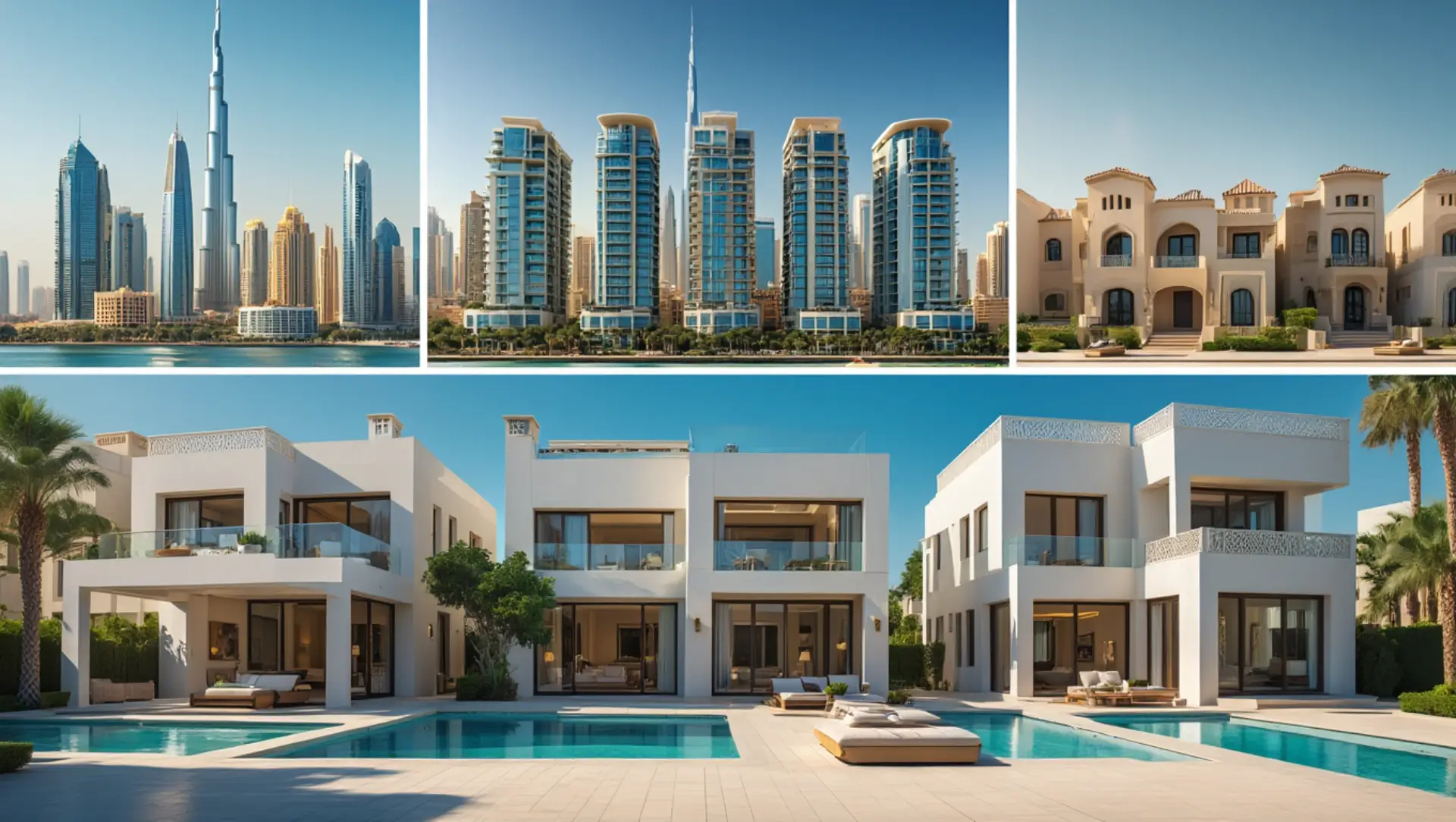
Dubai’s freehold designation system determines which properties can support residency applications, and this geographic restriction eliminates numerous properties from consideration despite their attractiveness or investment potential. Freehold areas include prime locations like Downtown Dubai, Dubai Marina, Palm Jumeirah, and Business Bay, while older Dubai neighborhoods often remain under leasehold arrangements that don’t support foreign ownership or residency applications.
The property classification extends beyond location to include specific types that qualify for residency visas. Residential properties—apartments, villas, townhouses—form the primary category, but commercial properties including hotel rooms, offices, and warehouses also qualify under current regulations. This flexibility allows investors to pursue residency while diversifying their portfolio across different property sectors, though rental yields and appreciation potential vary significantly between categories.
Ready-to-occupy status represents a non-negotiable requirement that eliminates off-plan purchases from residency consideration until completion and title deed issuance. The UAE authorities require physical property existence with completed construction, issued title deeds, and full Dubai Land Department registration before processing any residency applications. This requirement protects investors from construction delays affecting their residency timeline while ensuring they’re investing in tangible assets.
Property condition standards also factor into the equation, as authorities require habitable properties that meet basic safety and infrastructure requirements. Properties requiring major renovations or those with outstanding service charge debts can face application delays or rejections. Investors should budget for property inspections and any necessary updates to ensure their chosen property meets residency visa standards immediately upon purchase completion.
The Family Sponsorship Matrix: Who Can Join You and When
Family sponsorship through property ownership creates opportunities for extending residency benefits to spouses, children, and sometimes extended family members, but the specific rules vary depending on your visa type and family composition. Two-year property visas allow sponsorship of spouses and unmarried children under 18, while Golden Visa holders enjoy expanded sponsorship rights including unmarried sons up to 25 and unmarried daughters indefinitely.
The documentation requirements for family sponsorship demand careful preparation and often involve multiple government agencies across different countries. Marriage certificates require attestation from your home country’s foreign ministry, UAE embassy or consulate, and UAE Ministry of Foreign Affairs—a process taking several weeks to months depending on your nationality. Children’s birth certificates follow similar attestation procedures, while educational documents may be required for older children to demonstrate continued dependency.
Financial requirements for family sponsorship include demonstrating monthly income of at least AED 10,000 for property visa holders, though this requirement often gets overlooked when the property investment itself exceeds minimum thresholds significantly. Golden Visa holders face higher income requirements but enjoy greater flexibility in demonstrating financial stability through property rental income, business profits, or international employment.
Timing considerations become critical when planning family arrivals, as each family member requires individual medical examinations, Emirates ID applications, and visa processing. The entire family doesn’t need to relocate simultaneously, but sponsored family members must enter the UAE within six months of visa approval to maintain their status. Healthcare insurance coverage represents another requirement, with family policies typically ranging from AED 2,000 to AED 8,000 annually depending on coverage levels and family size.

The residency visa application through property ownership involves multiple government touchpoints that must be completed in specific sequences to avoid delays or complications. Initial steps require Dubai Land Department registration of your property purchase, including payment of the 4% transfer fee and obtaining your official title deed. This document serves as the foundation for all subsequent residency applications and must show your name exactly as it appears in your passport.
Medical examinations represent a mandatory step that catches many applicants unprepared for the specific requirements and timing involved. UAE authorities require blood tests, chest X-rays, and general health assessments from approved medical centers, with results valid for only 30 days from examination date. Scheduling these examinations strategically—after property registration but close to your planned application submission—prevents expiration issues that force repeated testing.
Document authentication creates another potential bottleneck, particularly for applicants whose home countries have complex attestation procedures or limited UAE diplomatic presence. Educational certificates, police clearance certificates, and employment letters may require authentication depending on your specific circumstances and nationality. Starting this process immediately upon deciding to purchase property can save weeks during the actual application timeline.
The General Directorate of Residency and Foreigners Affairs handles final visa processing, but their requirements can shift based on current policies and your individual circumstances. Recent policy updates have streamlined many procedures while tightening others, making professional guidance valuable for navigating current requirements. According to UAE Federal Authority for Identity and Citizenship data from late 2024, approximately 78% of property-based residency applications are approved within 15 working days when all documentation is properly prepared and submitted.
Financial Planning Beyond the Initial Investment
Living in Dubai through property ownership involves ongoing financial commitments that extend well beyond your initial property purchase and visa fees. Service charges for apartment buildings typically range from AED 8 to AED 25 per square foot annually, while villa communities may charge AED 15 to AED 35 per square foot for maintenance of common areas, security, and amenities. These charges are mandatory and can impact your property’s cash flow if you’re relying on rental income.
Utility connections require security deposits that vary by property size and type, with DEWA (Dubai Electricity and Water Authority) requiring deposits ranging from AED 2,000 for apartments to AED 4,000 for villas. Internet and cable services add another AED 500 to AED 1,500 in connection fees and deposits. These upfront costs, while recoverable, require budget planning especially when multiplied across multiple properties or when managing tight cash flows during the initial settlement period.
Insurance considerations extend beyond the mandatory health coverage to include property insurance, which protects your investment against fire, flood, and other covered perils. Property insurance costs typically range from 0.1% to 0.3% of property value annually, with higher coverage limits and additional protections increasing premiums proportionally. Given Dubai’s climate and construction standards, adequate property insurance provides essential protection for your residency-qualifying asset.
Tax planning becomes relevant for investors maintaining financial ties to their home countries, as property ownership and potential rental income may create reporting obligations under various international tax treaties. The UAE’s double taxation avoidance agreements with over 100 countries help prevent dual taxation, but understanding your specific obligations requires professional advice based on your nationality and circumstances.
Successful property-to-residency planning requires understanding these interconnected requirements and timing your steps appropriately. Start by identifying qualifying properties in your price range, then begin document authentication procedures while arranging financing or fund transfers. This systematic approach eliminates last-minute rushes that can delay your residency application by months.
For current UAE residency regulations and official fee schedules, consult the UAE Government’s official portal at u.ae, which provides updated information on all federal immigration and residency requirements. Your journey to Dubai residency through property ownership becomes manageable when you understand the system and plan accordingly—transforming what initially seems like bureaucratic complexity into a straightforward pathway to your new life in Dubai.


