Exploring the Potential of Green Buildings in Dubai
Last Updated on July 24, 2025
Introduction
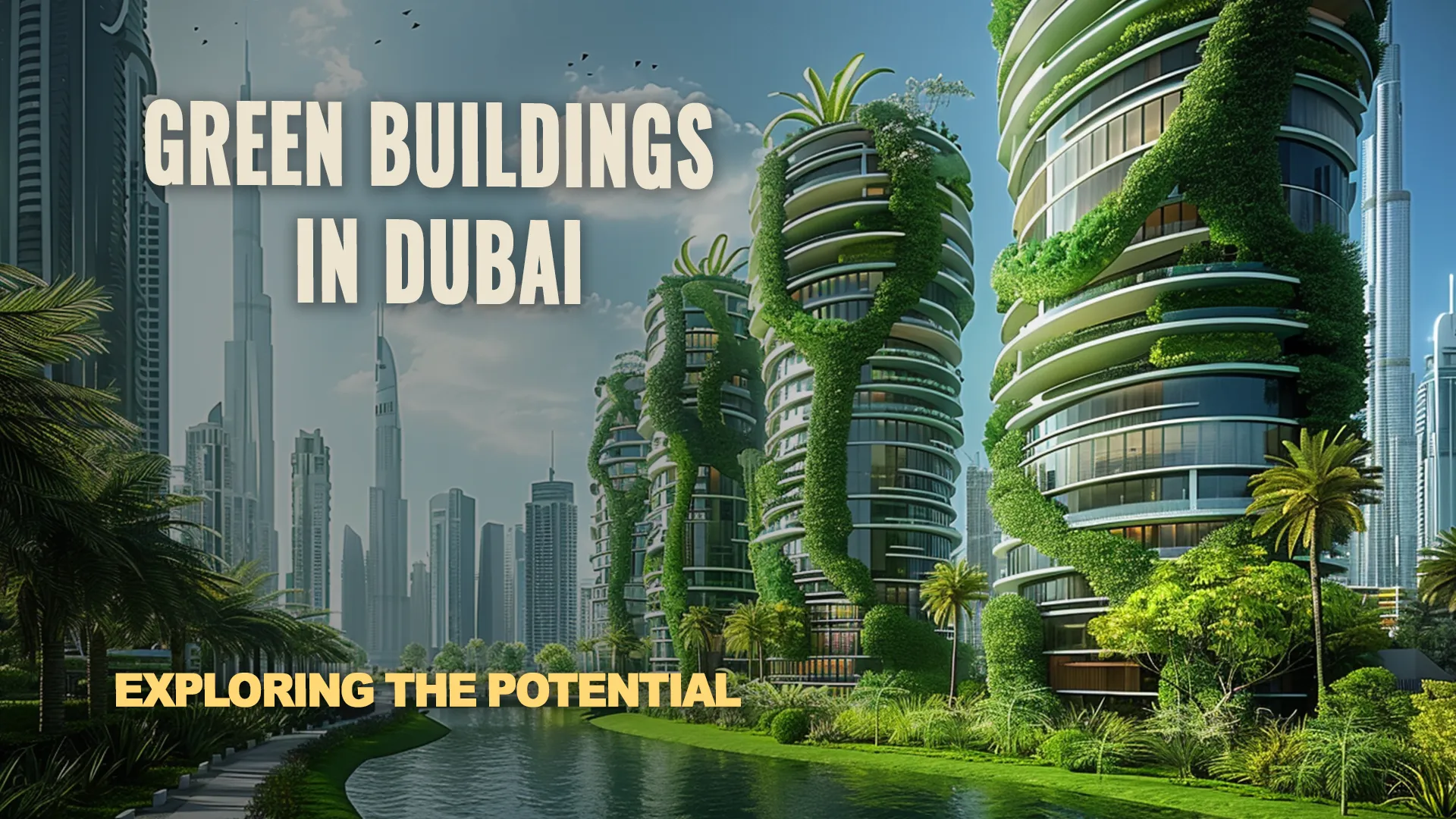
In my extensive career as a real estate expert in Dubai, I have witnessed firsthand the city’s dynamic transformation into a global hub of innovation and sustainability. One of the most promising developments in this evolution is the growing emphasis on green buildings. This article explores the burgeoning potential of sustainable construction in Dubai, highlighting how green buildings contribute to environmental preservation and offer significant economic and health benefits. As Dubai continues to position itself as a leader in sustainability, understanding the role of green buildings within this framework becomes crucial. We will delve into what green buildings are, why they are essential, and how they shape the future of urban development in one of the world’s most vibrant cities.
What are Green Buildings?
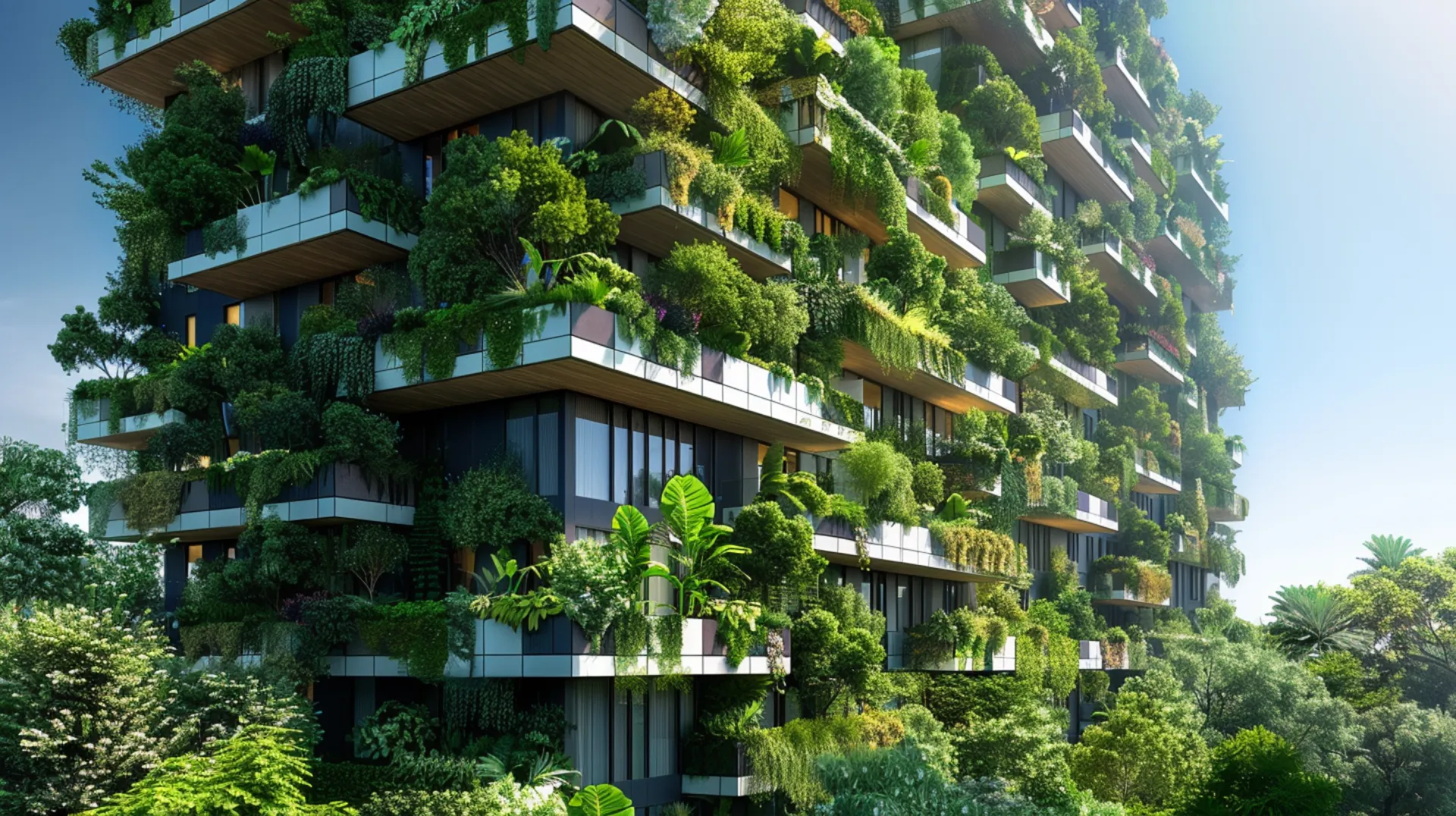
As I’ve come to understand through my professional and personal engagements in Dubai’s property sector, green buildings are not just structures; they are a pivotal element in the quest for sustainability. These buildings are designed to reduce the overall impact on the natural environment and human health by efficiently using energy, water, and other resources. They prioritize sustainable building materials and waste reduction during construction and operational life. In Dubai, the interest in green buildings has surged, driven by environmental responsibility and long-term economic benefits. These structures often incorporate features such as solar panels, energy-efficient lighting, and advanced air filtration systems, all designed to minimize their ecological footprint while enhancing their occupants’ living and working conditions.
The benefits of green buildings extend beyond environmental impacts. Economically, they represent a significant advancement in terms of reducing operational costs. Energy-efficient systems and water-saving fixtures lead to lower utility bills. Health-wise, using non-toxic materials and improved indoor air quality contribute to the well-being of those who live and work in these environments. In my time advising clients in Dubai, I have seen a marked preference for properties that offer these benefits, indicating a shift in consumer priorities towards healthier, sustainable living spaces. This trend is reflected in the increasing number of projects seeking green certifications like LEED (Leadership in Energy and Environmental Design) and BREEAM (Building Research Establishment Environmental Assessment Method), benchmarks for global green building practices.
Dubai’s Green Building Regulations and Specifications
Dubai’s commitment to sustainable development is evident in its rigorous green building regulations and specifications. Established by the Dubai Municipality, these regulations require new buildings to adhere to strict environmental standards. For instance, the Al Safat rating system mandates that new constructions achieve specific sustainability benchmarks, ranging from basic green building norms to advanced innovations in environmental conservation. This system categorizes buildings based on sustainability features and energy-saving measures, incentivizing developers to integrate advanced green technologies into their designs.
Navigating these regulations has become an essential aspect of my consultancy work. Developers and investors are keen to understand how they can comply with these standards and benefit from them. The regulations cover various construction aspects, from thermal insulation and HVAC (heating, ventilation, and air conditioning) systems to renewable energy sources. Compliance with these standards reduces environmental impact and enhances properties’ marketability as more tenants and buyers prioritize sustainability in their housing and commercial space choices.
Moreover, the government of Dubai actively promotes and supports the construction of green buildings through various incentives. These include expedited permit processes for green projects, reductions in government fees, and public recognition through awards and certifications. Such incentives have proven effective in encouraging developers to adopt green building practices, significantly contributing to the widespread adoption of sustainable construction methods across the city. This proactive approach from the government has fostered a healthier environment and positioned Dubai as a leading city in global sustainability efforts, setting a benchmark for other cities to follow in the quest for sustainable urban development.
Major Green Building Projects in Dubai
Dubai has witnessed the rise of several landmark green building projects that underscore its commitment to sustainable development. One of the most iconic is the Cayan Tower, known for its twisting shape that captures the eye and enhances environmental efficiency. The design reduces solar gain while maximizing natural ventilation, a vital feature in Dubai’s arid climate. The tower’s integration of energy-saving solutions, such as high-performance glass and automated lighting systems, sets a benchmark in sustainable urban living. This project represents a profound shift in architectural design, moving from traditional aesthetics to innovative, eco-friendly features that contribute significantly to the building’s operational sustainability.
Another exemplary project is The Sustainable City, Dubai’s first net-zero energy development. This residential complex is designed to be fully sustainable, featuring homes powered by solar panels, biodome greenhouses, and a car-free environment. The community is a living example of what future residential projects might look like, focusing on energy efficiency and creating a self-sustaining ecosystem. The development includes facilities for recycling water and organic waste, which are turned into resources for landscaping and agriculture. The Sustainable City is a practical model of how integrated planning and green technology can create a vibrant, sustainable community that goes beyond mere housing.
The third significant project is the Dubai International Financial Centre’s Gate Building, which achieved a LEED certification for its environmental performance. The building employs an advanced air filtration system that significantly reduces pollutants, an essential feature in the bustling financial hub. It also utilizes energy-efficient technologies that lower power consumption and operational costs, showcasing how green buildings can be environmentally and economically beneficial. These projects collectively highlight Dubai’s diverse approach to green building — from residential and commercial to public spaces — each contributing uniquely to the city’s sustainable development goals.
Technological Innovations Driving Green Building in Dubai
The advancement of green building in Dubai is heavily supported by cutting-edge technological innovations that make sustainable development achievable and economically viable. At the forefront is integrating building information modeling (BIM) technology, which allows for more precise planning and construction, ensuring that buildings are optimized for energy efficiency from the outset. BIM technology facilitates the simulation of energy performance and the impact of different design choices, allowing architects and engineers to create more effective, sustainable buildings by precisely planning the use of materials and energy resources.
Another innovative technology widely adopted in Dubai’s green buildings is smart glass. This technology adjusts the lighting based on the intensity of sunlight, significantly reducing energy consumption associated with heating and cooling systems. Smart glass enhances a building’s energy efficiency and improves comfort for its occupants, demonstrating how technology can achieve a synergy between human-centered design and environmental sustainability. Buildings equipped with intelligent glass and automated energy management systems represent the next generation of green buildings that actively adapt to their environment.
Lastly, Dubai’s green buildings often feature advanced water recycling systems that use biofiltration technology. These systems treat wastewater onsite, which can be reused for landscaping and other non-potable purposes. This technology is critical in Dubai, where water resources are scarce. By implementing such systems, green buildings contribute to significant water savings, crucial for sustainable urban development in desert regions. These technological innovations are central to the success of green building initiatives in Dubai, showcasing the city’s commitment to leading by example in the global movement towards sustainable urban environments.
Economic and Environmental Impact of Green Buildings
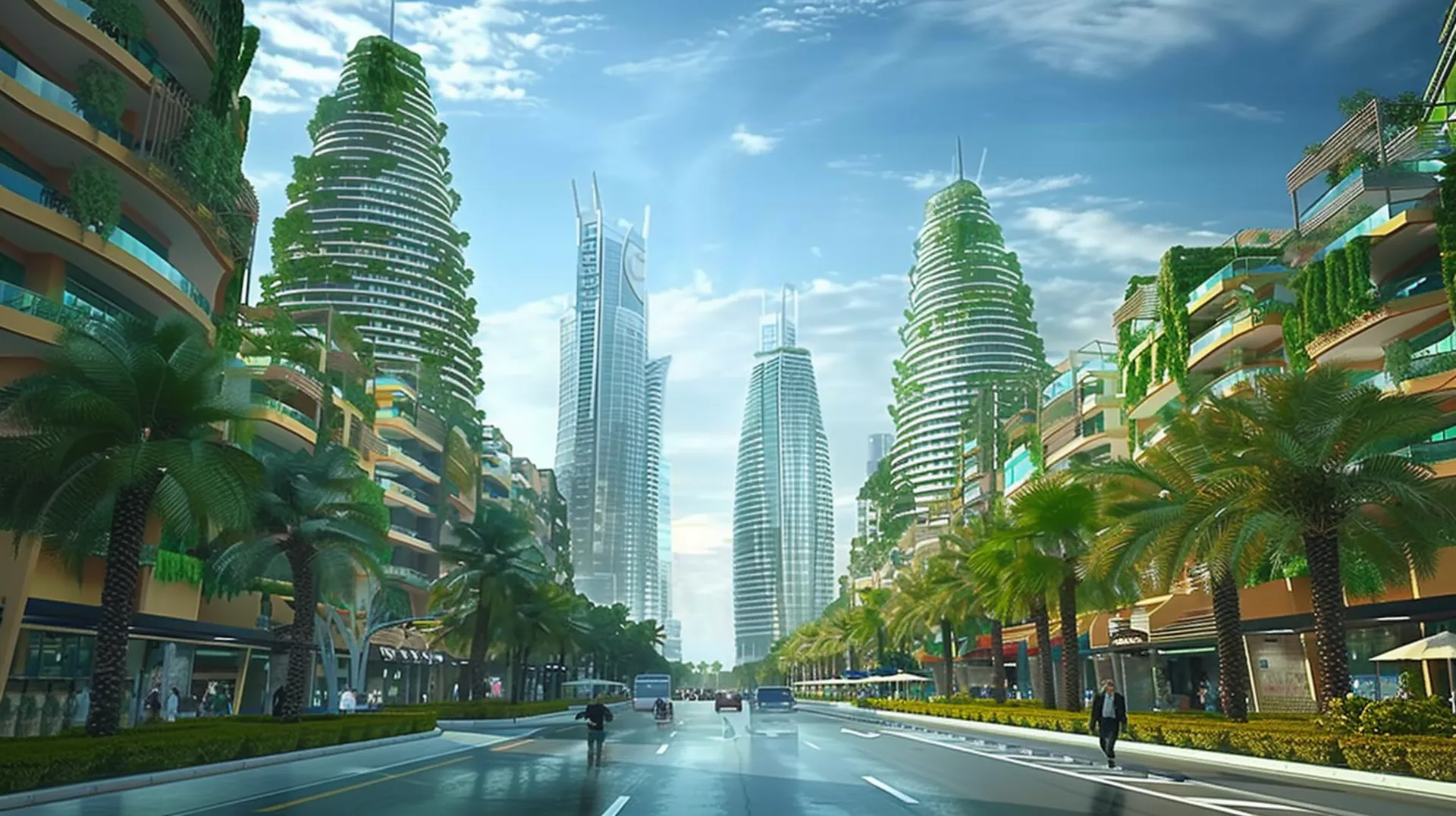
The economic and environmental impacts of green buildings in Dubai have been transformative, marking a significant shift in how the city approaches development and sustainability.
Economically, adopting green buildings has proven to be a wise investment for property developers and owners. These buildings have higher initial costs due to the technologies and materials required. Still, long-term energy and water consumption savings provide a substantial return on investment. For instance, energy-efficient lighting and HVAC systems significantly reduce the operational costs of buildings, making them more attractive to eco-conscious tenants and buyers, thereby increasing their market value and rental yields.
Environmentally, the impact of green buildings in Dubai is profound. These buildings significantly lower the city’s overall carbon footprint by reducing energy consumption. This shift is crucial in combating climate change in a region known for its high per capita energy usage. Moreover, the emphasis on sustainable materials and construction practices helps preserve natural resources, reducing the ecological impact of building new structures. Integrating green spaces and improved air quality within these developments enhances urban biodiversity. It contributes to healthier living environments, mitigating the urban heat island effect common in densely populated cities.
The long-term environmental benefits of sustainable construction practices in Dubai also extend beyond the immediate vicinity of the buildings themselves. They foster a broader cultural shift towards sustainability, influencing other sectors and encouraging a city-wide adoption of green practices. This ripple effect is crucial for Dubai as it strives to meet its ambitious sustainability goals and establish itself as a leader in ecological urban development.
Conclusion
Exploring the potential of green buildings in Dubai reveals a compelling narrative of innovation, economic pragmatism, and environmental responsibility. As Dubai expands its skyline, the shift towards green building practices showcases its commitment to sustainable development. These initiatives enhance Dubai’s reputation as a forward-thinking metropolis and set a global standard for how cities can integrate sustainability into their core development strategy.
The ongoing commitment to green buildings is expected to play a pivotal role in shaping Dubai’s future. As the city aims to reduce its ecological footprint and promote sustainable living, the lessons learned from its green building initiatives offer valuable insights for other global cities. The integration of advanced technologies and robust economic and environmental strategies exemplifies a holistic approach to sustainable urban development.
For stakeholders in Dubai’s real estate and construction sectors, the evolution towards green buildings represents both a challenge and an opportunity. It is an exciting time to be part of this dynamic field, contributing to a sustainable future that benefits current residents and generations to come. As Dubai paves the way, the potential for green buildings to redefine urban living remains vast and full of possibilities, promising a greener, more sustainable future for all.