

Dubai’s Most Popular Gated Communities: Your Complete Investment & Lifestyle Guide
Ever tried choosing between dozens of Dubai’s gated communities, only to feel completely overwhelmed by conflicting information? You’re scrolling through endless listings, comparing Arabian Ranches to DAMAC Hills to Emirates Hills, and somehow every website claims their featured community is “the best.” Meanwhile, you’re sitting there with real money to invest, wondering if property in Dubai gated communities actually makes financial sense – or if you’re just buying into expensive hype.
This confusion costs investors serious money. While you’re researching and second-guessing, prime properties get snapped up by buyers who understand which communities deliver actual returns versus which ones just look pretty in marketing brochures. The gap between appearance and performance in Dubai’s gated community market is massive, and most buyers discover this way too late.
What Actually Makes Gated Communities Worth Your Money
Here’s something nobody talks about: most popular gated communities in Dubai aren’t popular because they’re the best investments. They’re popular because they have the biggest marketing budgets and the flashiest amenities lists.
Take Emirates Hills – everyone calls it the “Beverly Hills of Dubai” and charges accordingly. Villas start around AED 27 million and rental yields hover around 3-4%. Meanwhile, DAMAC Hills delivers 6.98% ROI with properties starting at AED 2.4 million. Which one do you think gets more Instagram posts? Which one makes more money?
The real money in Dubai’s gated communities comes from understanding the difference between lifestyle purchases and investment properties. Some communities are designed to impress your friends. Others are designed to generate cash flow. Very few do both effectively.
Smart investors focus on three metrics most buyers ignore completely: actual rental yields (not projected ones), resale velocity during market downturns, and infrastructure development pipelines. Popular communities to buy a property in Dubai often rank high on amenities but low on these crucial performance indicators.
Here’s what separates winning investments from money pits: winning communities have waiting lists for rentals, consistent appreciation during economic uncertainty, and tenants who stay for years rather than months. Everything else is just marketing fluff designed to separate you from your cash.
The Community Development Authority Dubai tracks these metrics across all major developments, though accessing their raw data requires understanding which reports actually matter versus which ones showcase government success stories.
ROI Reality Check: Where Your Money Actually Grows
Let’s cut through the nonsense and talk real numbers. Based on 2024 transaction data, here’s what different community types actually deliver for investors willing to look beyond pretty pictures.
DAMAC Hills leads the pack with 6.98% average rental yields, but here’s what the marketing materials won’t tell you: those yields come with higher tenant turnover rates and increased property management headaches. Three-bedroom villas average AED 2.7 million purchase price with AED 188,000 annual rental income. Math works, but you’ll earn every dirham of that return.
Arabian Ranches delivers lower yields (5.56%) but infinitely easier property management. Tenants typically stay 3-4 years, properties rarely sit vacant longer than two weeks, and appreciation has been remarkably consistent even during market corrections. Five-bedroom villas cost around AED 7.2 million but appreciate at 4-6% annually while generating AED 400,000+ in rental income.
Dubai Hills Estate represents the middle ground – 5.87% yields with moderate appreciation potential and decent tenant stability. The community benefits from massive infrastructure investment and proximity to Downtown Dubai, but prices already reflect most of that upside. Four-bedroom villas around AED 6 million generate roughly AED 350,000 annual rent.
The Springs offers fascinating value for investors comfortable with older properties. Yields average 5.90% with purchase prices significantly lower than newer communities. Three-bedroom villas start around AED 3.3 million, generating AED 195,000 annual rental income. Properties here appreciate slower but rarely depreciate during economic downturns.
What most investors miss is the correlation between community age and investment performance. Newer communities deliver higher initial yields but experience more volatility during market corrections. Established communities provide steadier returns with better long-term appreciation potential.
Property management costs vary dramatically between communities too. DAMAC developments typically charge AED 12-15 per square foot annually for service charges, while Emirates Hills can exceed AED 25 per square foot. These differences compound over decades of ownership.
Community Amenities That Actually Matter to Tenants
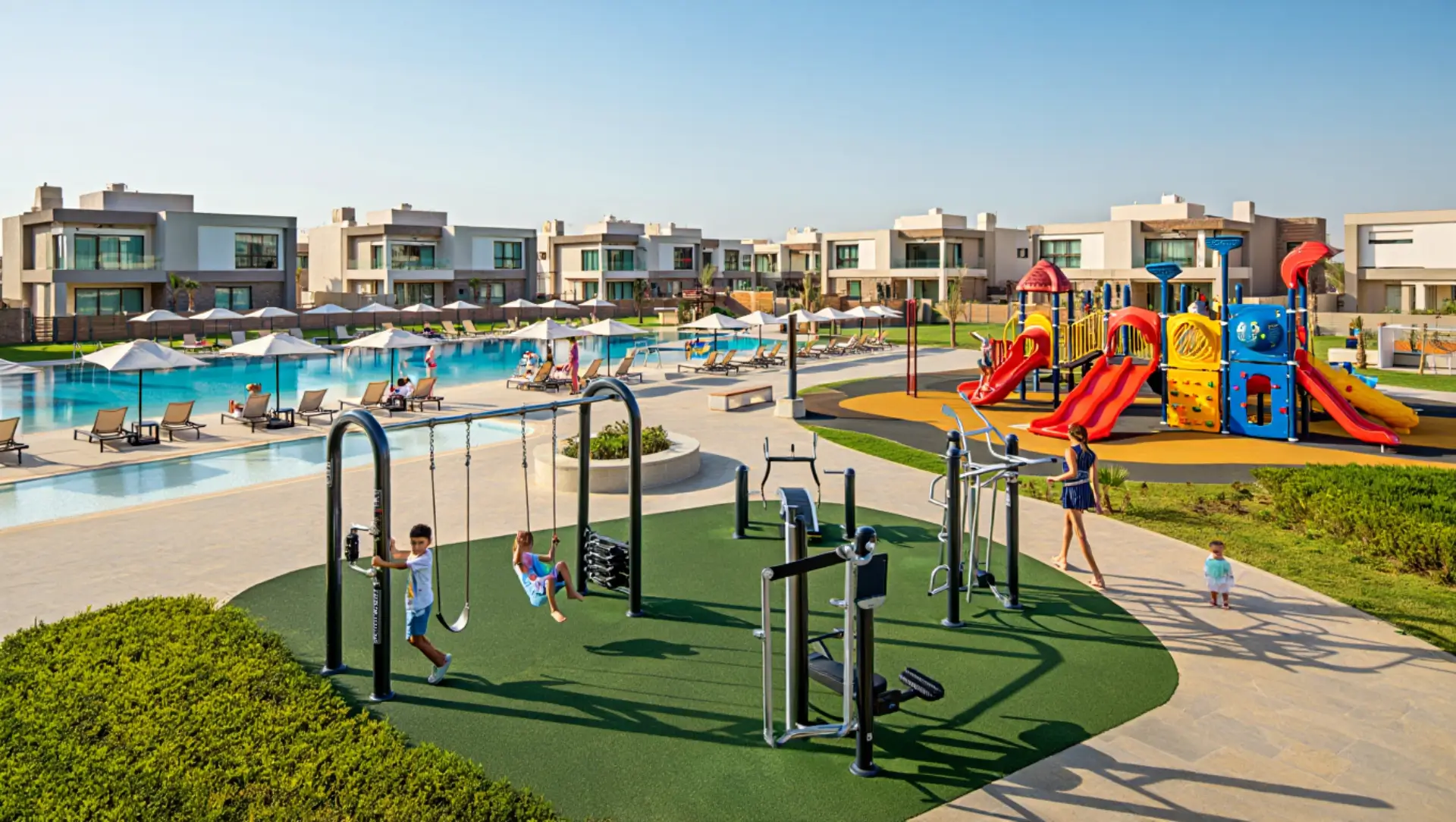
Every gated community in Dubai promises world-class amenities, but most amenities are expensive marketing props rather than features tenants actually value. Understanding which amenities drive rental demand versus which ones just inflate service charges helps investors make smarter decisions.
Golf courses sound impressive but rarely influence rental decisions unless tenants are serious golfers. Most residents use community golf courses maybe twice yearly, while paying elevated service charges to maintain championship-quality greens. Arabian Ranches Golf Club is gorgeous, but it adds roughly AED 8,000 annually to every property’s service charges.
Swimming pools, on the other hand, directly impact rental demand and tenant satisfaction. Communities with multiple pool options – adult pools, children’s pools, infinity pools with views – consistently attract families willing to pay premium rents. DAMAC Hills 2’s wave pool and splash pad generate genuine rental interest from families with young children.
Security systems matter enormously but vary wildly in effectiveness. Emirates Hills employs private security forces with 24/7 patrols, vehicle recognition systems, and direct police coordination. The Springs relies primarily on access gates and occasional security rounds. Both communities are safe, but the level of security infrastructure influences insurance costs and tenant peace of mind.
Educational facilities within or near communities drive long-term tenant retention more than any other amenity. Jumeirah Golf Estates benefits from proximity to prestigious international schools, creating stable rental demand from expatriate families on multi-year employment contracts. These tenants typically renew leases annually and maintain properties better than transient renters.
Retail and dining options within communities reduce tenant dependence on external services, increasing satisfaction and retention rates. Dubai Hills Estate’s integrated mall and dining district keeps residents engaged with the community rather than viewing it as merely a place to sleep.
Fitness facilities see surprisingly low utilization rates despite their prominence in marketing materials. Most residents join external gyms or fitness studios regardless of community offerings. However, well-maintained fitness centers do influence initial rental decisions, particularly for young professionals and couples without children.
Pet-friendly policies and facilities have become crucial differentiators in Dubai’s rental market. Communities with dedicated dog parks, pet grooming facilities, and lenient pet policies command premium rents from pet-owning families. The Springs and Arabian Ranches excel in this area, while many newer developments impose restrictive pet policies that limit their rental appeal.
The Hidden Costs Nobody Warns You About
Service charges represent the biggest hidden expense in Dubai’s gated communities, and they vary so dramatically between developments that they can destroy investment returns if not properly calculated upfront.
Emirates Hills charges roughly AED 25-30 per square foot annually for service charges, meaning a 5,000 square foot villa costs AED 125,000-150,000 yearly just for community maintenance. These charges cover golf course maintenance, private security, landscaping, and facility upkeep. Non-negotiable and typically increase 3-5% annually.
DAMAC developments generally charge AED 12-18 per square foot, but service quality can be inconsistent. Some DAMAC communities defer maintenance to minimize charges, leading to deteriorating amenities and declining property values over time. Always inspect older DAMAC properties before investing to assess long-term maintenance standards.
The Springs maintains service charges around AED 15-20 per square foot with remarkably consistent service quality over its 20+ year history. This community demonstrates how proper maintenance preserves property values and tenant satisfaction, even as buildings age.
Sinking funds represent another hidden cost many investors overlook. Well-managed communities establish reserve funds for major repairs and upgrades – roof replacements, pool renovations, road resurfacing. Poorly managed communities levy special assessments when major repairs become necessary, sometimes costing owners AED 50,000+ in unexpected charges.
Property management fees for rental properties typically run 5-10% of annual rental income, plus additional charges for tenant placement, maintenance coordination, and lease renewals. Communities with high tenant turnover rates generate higher management costs, eroding net rental yields.
Mortgage insurance, life insurance, and property insurance costs vary by community based on risk assessments and claims history. Communities with comprehensive security systems and low crime rates qualify for reduced insurance premiums, while developments in flood-prone areas or with higher crime rates face elevated insurance costs.
Utility connections and ongoing utility costs differ significantly between communities. Some developments include certain utilities in service charges, while others require individual utility accounts for each property. DEWA deposits alone can cost AED 2,000-4,000 depending on property size and location.
Location Strategy: Proximity vs. Value Trade-offs
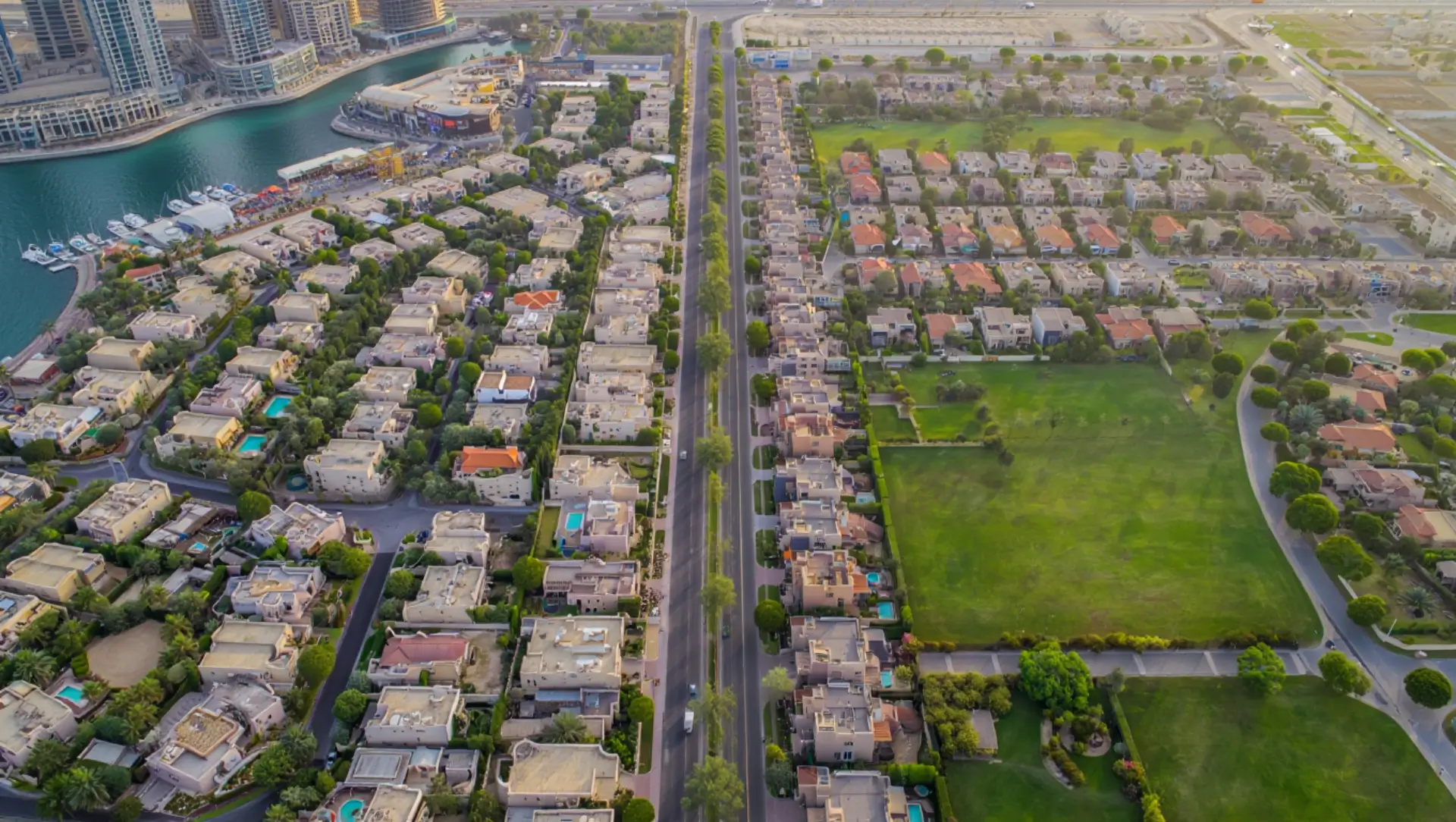
Location determines long-term investment success more than amenities, community prestige, or initial purchase price. Dubai’s gated communities offer vastly different location advantages, and understanding these trade-offs helps investors align purchases with their investment strategies.
Communities near Downtown Dubai and Dubai Marina command premium prices but deliver consistent rental demand from high-income expatriates working in these business districts. Dubai Hills Estate benefits enormously from this proximity, attracting tenants willing to pay AED 300,000+ annually for four-bedroom villas to avoid lengthy commutes.
Airport proximity influences rental demand patterns significantly. Al Barari’s location near Dubai International Airport attracts airline employees, frequent travelers, and business executives who value quick airport access over beach proximity. These tenants typically sign longer-term leases and maintain properties well.
School districts determine rental demand for family-oriented communities more than any other location factor. Jumeirah Golf Estates benefits from proximity to top-tier international schools, creating stable demand from expatriate families on 2-3 year employment contracts. These families prioritize school quality over community amenities when making housing decisions.
Highway access affects property values substantially over time. Communities with direct access to Sheikh Zayed Road or Al Khail Road appreciate faster than developments requiring navigation through secondary roads. Traffic congestion projections also matter – areas expecting increased congestion typically see slower appreciation rates.
Beach proximity commands premium rental rates but attracts shorter-term tenants who prioritize lifestyle over convenience. Palm Jumeirah properties generate impressive rental income during peak tourist seasons but experience higher vacancy rates during summer months when many expatriate families travel.
Business district connectivity determines rental sustainability during economic downturns. Communities serving multiple business districts maintain rental demand even when specific sectors struggle, while developments dependent on single industries (like Dubai Media City or Dubai Internet City) experience more volatile rental markets.
Future infrastructure development can dramatically impact property values, both positively and negatively. The Dubai Metro expansion benefits communities along proposed routes, while new highway construction can increase traffic and noise levels for nearby developments. Monitoring infrastructure planning reports helps investors anticipate these changes.
Investment Timeline: Short vs. Long-term Strategies
Different gated communities serve different investment timelines, and matching your strategy to the right community type determines success more than purchase timing or negotiation skills.
Short-term investors (1-3 years) should focus on communities with high rental yields and strong liquidity during market corrections. DAMAC Hills and DAMAC Hills 2 deliver impressive cash flow but experience more price volatility during economic uncertainty. Properties here sell quickly during strong markets but may require price reductions during downturns.
Medium-term investors (3-7 years) benefit from established communities with steady appreciation and minimal volatility. The Springs, The Meadows, and Arabian Ranches offer predictable returns without dramatic price swings. These communities rarely deliver spectacular gains but consistently outperform market averages over multiple economic cycles.
Long-term investors (7+ years) should prioritize locations with infrastructure development potential and community brand strength. Dubai Hills Estate, District One, and newer Emirates Living developments benefit from ongoing infrastructure investment and master planning that creates sustained appreciation over decades.
Renovation and upgrade potential varies dramatically between communities based on architectural standards and community regulations. Some developments permit extensive property modifications, allowing investors to add value through strategic improvements. Others maintain strict architectural guidelines that preserve community aesthetics but limit value-add opportunities.
Generational wealth building requires communities with enduring appeal rather than trendy features that may become outdated. Emirates Hills, Arabian Ranches, and The Springs have maintained prestige and rental demand for over two decades, suggesting these communities will continue attracting affluent tenants for generations.
Exit strategy options depend on community characteristics and target buyer profiles. Ultra-luxury communities like Emirates Hills sell primarily to high-net-worth individuals, creating limited buyer pools that can affect liquidity during market downturns. Mid-market communities attract broader buyer bases, facilitating easier exits when needed.
Market cycle timing matters less in established communities than in newer developments. New communities experience dramatic price appreciation during development phases but suffer larger corrections during economic downturns. Established communities provide more stable returns throughout various market cycles.


