

Dubai Property Investment Guide: Breaking Down the Myth of Expensive Real Estate
Last Updated on February 18, 2026
- 1. What’s Really Happening in Dubai’s Housing Market
- 2. Where the Smart Money Goes: Top Affordable Neighborhoods
- 3. Dubai vs. The World: Why the Numbers Actually Work
- 4. Investment Returns That Actually Make Sense
- 5. Getting the Money: Financing Options That Work
- 6. Due Diligence That Prevents Disasters
- 7. What’s Coming Next: Market Outlook and Growth Potential
Most people assume property in Dubai costs a fortune. They picture golden skyscrapers, billionaire penthouses, and price tags that could fund small countries. Wrong on all counts. Well, partly wrong anyway.
Sure, Dubai has those eye-watering luxury developments. But here’s what nobody talks about: thousands of perfectly decent apartments and villas sell for less than what you’d pay for a decent flat in London or a cramped studio in Manhattan. The catch? You actually have to look beyond the glossy marketing materials.
This misunderstanding has real consequences. While potential buyers hesitate, convinced they can’t afford Dubai property, savvy investors quietly snap up bargains across the emirate. The gap between perception and reality has never been wider – or more profitable for those who recognize it.
What’s Really Happening in Dubai’s Housing Market
Let’s start with some numbers that might surprise you. Deloitte just released their 2025 analysis, and it tells a fascinating story. Last year saw 226,000 property transactions worth AED 761 billion. That’s not just rich people buying penthouses – nearly half of these deals happened in the secondary market, where ordinary folks buy and sell everyday homes.
Think about that for a moment. If Dubai really was just a playground for oil sheikhs and tech billionaires, would there be 113,000 regular property transactions? Of course not. The market thrives because working professionals, young families, and first-time investors can actually afford to buy here.
Take International City – Dubai’s unofficial capital of affordable housing. Studio apartments start around AED 381,000. That’s roughly $104,000. In most major cities, that barely covers a down payment. Here, it gets you a complete home with modern amenities, security, and access to one of the world’s most dynamic economies.
The secret sauce? Dubai’s urban planners never forgot about middle-income residents. The Dubai 2040 Urban Master Plan deliberately creates communities for different income levels. Places like Dubai South and The Valley aren’t afterthoughts – they’re carefully designed neighborhoods with proper infrastructure, schools, and shopping centers.
Media coverage skews perceptions terribly. Journalists love writing about record-breaking luxury sales because they generate clicks. “AED 50 million penthouse sold!” makes headlines. “Young teacher buys first apartment for AED 400,000” doesn’t. Guess which story reflects the actual market better?
This creates a bizarre situation where Dubai’s reputation for luxury actually hides incredible value opportunities. Most buyers never even look at affordable areas because they assume everything costs millions. Their loss, smart investors’ gain.
Where the Smart Money Goes: Top Affordable Neighborhoods
Dubai Silicon Oasis deserves serious attention from value hunters. Don’t let the name fool you – this isn’t some isolated tech campus. It’s a complete community where families actually live, work, and raise kids.
Location matters enormously in real estate, and DSO nailed it. You’re sandwiched between two major highways (Dubai-Al Ain Road and Sheikh Mohammed Bin Zayed Road), which sounds terrible until you realize this means 20-minute drives to Dubai International Airport, Downtown Dubai, or most major business districts. Try getting those connections from London suburbs.
Here’s the kicker: studio apartments average AED 483,000, one-bedrooms hit AED 739,000, and rental yields exceed 8%. Compare that to London, where 8% yields are fairy tales and similar locations cost triple the price. Plus, DSO actually planned for growth. Parks, schools, healthcare facilities, shopping – they’re all there, not promised for “future phases.”
The community attracts stable tenants too. Tech workers, university professors, corporate middle management – people with steady jobs who pay rent on time and don’t trash properties. For landlords, this beats high-turnover areas where you’re constantly showing apartments and fixing damage.
International City gets unfairly dismissed as “worker housing.” Yes, it’s affordable – studios start at AED 381,000. But location-wise, it’s brilliant. Dragon Mart sits right there, one of the world’s largest trading hubs for Chinese goods. That creates jobs, which creates rental demand, which creates investor returns.
The country-themed districts (China, England, Persia, Italy, Greece) might look gimmicky, but they serve a practical purpose. Different communities within the larger development cater to different cultural preferences while keeping costs low across the board. Italian District residents get familiar architectural styles; Chinese District folks have stores selling familiar products. Everyone pays affordable prices.
Rental yields consistently top 8% here, driven by high demand from Dubai’s massive expatriate workforce. Sure, turnover rates are higher than premium areas, but that means you can raise rents more frequently. Active property managers love International City.
Dubai Investment Park takes a different approach entirely. Mixed-use development combining residential, commercial, and light industrial – basically a small city that employs its own residents. Al Maktoum International Airport sits nearby, undergoing expansion that will make it the world’s largest passenger facility. When that happens, DIP properties will seem incredibly prescient.
Studios start at AED 300,000 – Dubai’s cheapest entry point for homeownership. But the real appeal lies in the community’s family focus. Parks, schools, playgrounds, family entertainment – all designed to attract long-term residents rather than transient workers. Lower vacancy rates, stable rental income, less property management headaches.
Dubai vs. The World: Why the Numbers Actually Work
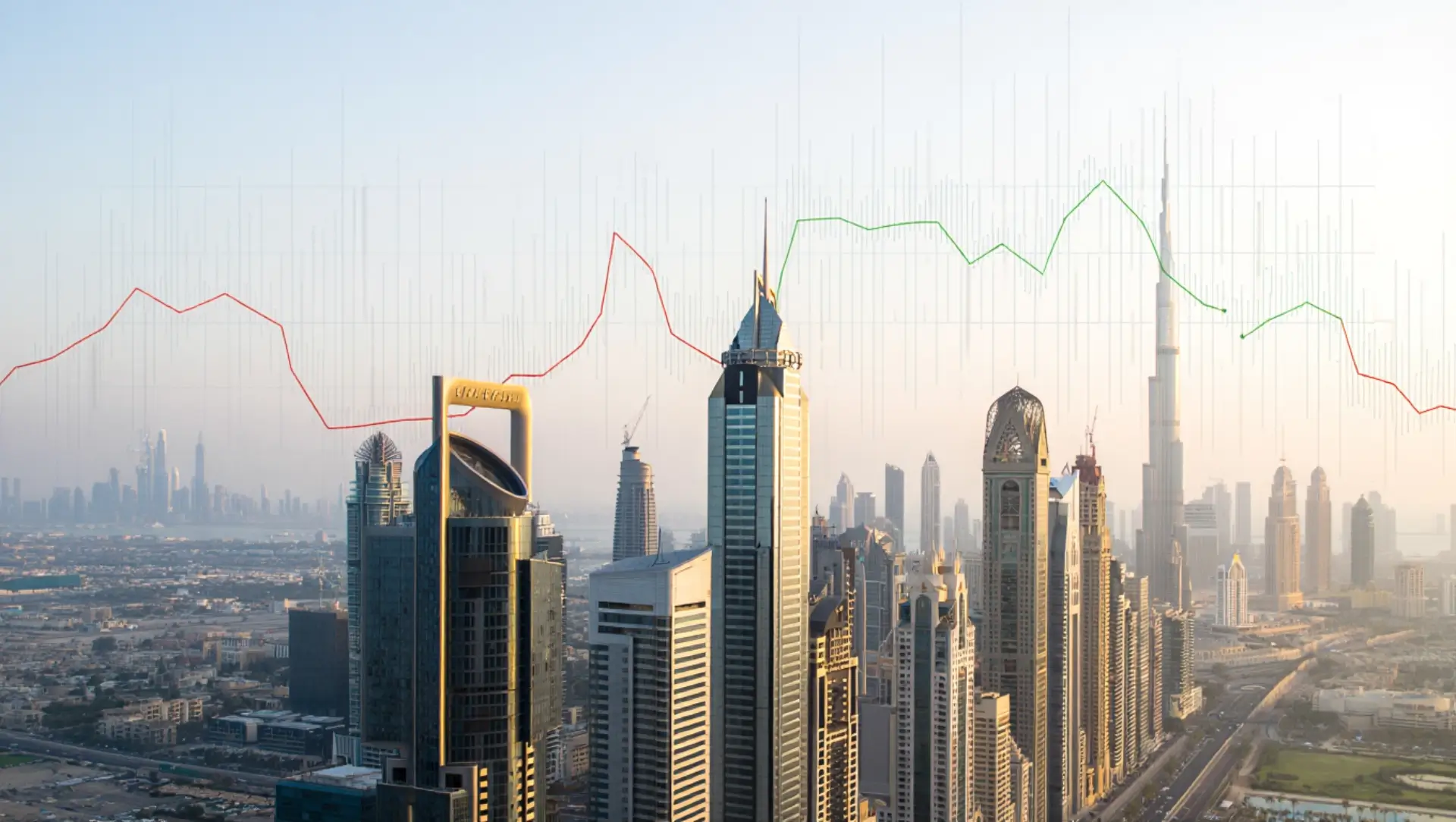
Let’s do some honest math comparing Dubai to other major cities. The Dubai Statistics Center reports residential properties average AED 1,597 per square foot. London regularly exceeds AED 3,000 per square foot for similar quality. Hong Kong and Singapore cost even more. New York? Forget about it.
But raw purchase prices only tell part of the story. Dubai’s tax-free status delivers massive ongoing savings that compound over time. No property taxes, no capital gains taxes, no inheritance taxes. In most countries, these could consume 1-3% of your property’s value annually. For a AED 1 million property, that’s AED 10,000-30,000 saved every single year.
Rental yields tell an even more dramatic story. Dubai’s current gross yields average 6.7% across all residential properties. London tops out around 4% if you’re lucky. New York and Sydney hover around 3-4%. Those differences add up fast – we’re talking thousands of dirhams in extra annual income per property.
Transaction costs remain reasonable despite recent increases. Dubai Land Department charges 4%, real estate agents take 2%, so you’re looking at roughly 6-7% total transaction costs. London’s stamp duty alone can hit 12% for expensive properties. New York combines multiple taxes and fees that often exceed 10% of purchase price.
Then there’s currency stability. The dirham stays pegged to the US dollar, eliminating exchange rate risk that can devastate returns in emerging markets. American investors face zero currency exposure – something impossible in most other international property markets.
Add it all up, and Dubai frequently beats supposedly “cheaper” markets on total cost of ownership. Purchase price is just the beginning; ongoing costs, taxes, and income potential matter more for long-term wealth building.
Investment Returns That Actually Make Sense
Recent performance numbers validate Dubai’s appeal for serious property investors. Property Finder’s latest quarterly analysis shows median asking prices up 12% year-over-year for apartments. Two-bedroom units led the charge with 17% growth, while three-bedroom apartments gained 10%. Villa segments achieved 8% annual appreciation.
These aren’t paper profits either – they represent real wealth creation for property owners who bought strategically. Meanwhile, rental markets deliver solid cash flow alongside capital appreciation. Gross rental yields average 6.7% across residential properties, with affordable areas often beating these benchmarks significantly.
Dubai Investment Park generates 11.37% yields. Discovery Gardens achieves 8.92%. International City delivers 8.04% returns. Compare these to bank deposits (1-3% if you’re lucky) or government bonds (2-4% in most markets), and property investment looks incredibly attractive.
Off-plan opportunities deserve special mention within affordable segments. These developments typically offer payment plans spanning 2-3 years of construction, letting buyers spread costs while potentially benefiting from appreciation during building phases. Dubai launched over 145,000 off-plan units in 2024, many targeting middle-income buyers with flexible terms.
Geographic diversification works well within Dubai’s affordable areas. Emerging neighborhoods like Dubai South benefit from infrastructure development and population growth. Established communities such as Jumeirah Village Circle provide stable rental demand and proven track records. Smart investors often build portfolios across multiple affordable areas to capture different growth phases.
Property management costs stay reasonable across affordable communities – typically AED 14-16 per square foot annually for service charges. These fees cover security, landscaping, common area maintenance, and amenities. Excellent value compared to similar services in other international markets.
The consistency of these returns, combined with Dubai’s stable political environment and business-friendly policies, creates an investment profile that institutional investors increasingly prefer over many alternatives.
Getting the Money: Financing Options That Work

Dubai’s banks compete aggressively for property financing business, creating opportunities for buyers with different financial profiles. Local institutions typically offer loan-to-value ratios reaching 75-80% for UAE residents, 70-75% for non-residents. Interest rates currently span 3.5% to 5.5% annually, depending on your bank, loan amount, and personal qualifications.
Emirates NBD, ADCB, and First Abu Dhabi Bank dominate the mortgage market with comprehensive products designed for various buyer categories. The application process has improved dramatically through digital platforms – pre-approvals now happen within 48-72 hours for qualified applicants.
Documentation requirements stay straightforward: passport copies, visa pages, salary certificates, bank statements, property details. Processing fees average 1% of loan amount plus 5% VAT. Property valuations cost AED 2,500 to AED 3,500. Not cheap, but reasonable given the service quality.
International buyers benefit from Dubai’s progressive approach to foreign ownership. Mortgages are available regardless of residency status, though non-residents face higher down payment requirements – usually 25-30% of property value. Some banks offer preferential rates for larger purchases, creating incentives for higher-value transactions.
Developer payment plans present alternatives to traditional mortgages, especially for off-plan projects. These typically require 10-20% down payments during construction, with remaining balances due upon completion. Some developers extend post-handover payment plans for 2-3 years, reducing immediate financial pressure while providing cash flow flexibility.
Islamic financing caters to buyers preferring Sharia-compliant products. These operate as partnerships or lease-to-own arrangements, avoiding traditional interest while maintaining competitive terms. Dubai Islamic Bank and Abu Dhabi Islamic Bank lead this segment with products matching conventional mortgage features.
Success with financing requires comparing options across multiple institutions while considering total costs, not just interest rates. Processing fees, early payment penalties, and refinancing options can significantly impact long-term ownership expenses.
Due Diligence That Prevents Disasters
Property acquisition in Dubai demands thorough research and comprehensive understanding of legal frameworks. This preparation protects buyers while ensuring smooth ownership transfers and ongoing regulatory compliance.
The Dubai Land Department oversees all property transactions through comprehensive record-keeping and transparency requirements. You must complete property registration within 60 days of transaction completion, paying the 4% DLD fee plus AED 580 in administrative charges. Their digital systems provide real-time access to property ownership histories, outstanding mortgages, and potential legal issues.
Title deed verification represents the most critical due diligence step. All Dubai properties must have clear, unencumbered title deeds issued by the Dubai Land Department. Verify seller ownership legitimacy and confirm properties are free from legal disputes, unpaid service charges, or other liabilities that could complicate transfers.
Developer reputation becomes especially important for affordable properties, since some budget developments come from less established companies. Research should cover developer track records, completed projects, delivery timelines, and financial stability. The Dubai Development Authority maintains comprehensive records of registered developers and their project histories.
Community service charges and homeowners’ association fees need careful evaluation, as these ongoing costs significantly impact long-term ownership economics. Service charge indices published by the Dubai Land Department provide standardized fee structures per square foot, helping buyers budget accurately for annual maintenance expenses.
Legal representation isn’t mandatory but provides valuable protection, particularly for buyers unfamiliar with UAE real estate law. Licensed conveyancers ensure proper contract review, identify potential issues, and facilitate smooth transaction completion. Conveyancing fees typically range from AED 6,000 to AED 10,000 – modest insurance against legal complications that could prove far more expensive later.
What’s Coming Next: Market Outlook and Growth Potential
Dubai’s property market trajectory looks robustly positive, supported by solid economic fundamentals, demographic expansion, and continued government infrastructure investment. Understanding these trends helps buyers evaluate optimal timing and positioning for investment success.
Population projections suggest Dubai will accommodate 4 million residents by 2025 – approximately 5% annual growth that directly drives housing demand. This demographic expansion stems from economic diversification, business-friendly policies, and lifestyle advantages attracting international professionals and entrepreneurs. The Golden Visa program encourages long-term residency, creating stable demand across all property segments.
Infrastructure development under the Dubai 2040 Urban Master Plan emphasizes sustainable urban expansion, enhanced transportation networks, and improved connectivity between established and emerging communities. Dubai Metro expansion, upgraded road networks, and new aviation facilities will significantly benefit affordable areas currently underserved by transportation infrastructure.
Sustainability focus aligns with global environmental trends and Dubai’s Net-Zero 2050 commitment. Green-certified developments increasingly attract environmentally conscious buyers. Properties featuring energy-efficient designs, electric vehicle charging, and smart home technology command premium pricing and rental rates.
Economic diversification beyond oil dependence continues strengthening Dubai’s long-term growth prospects. The emirate’s emphasis on technology, finance, tourism, and logistics creates diverse employment opportunities supporting robust real estate demand. Major initiatives like Expo 2020‘s legacy developments and ongoing tourism growth provide additional economic momentum.
Some market observers anticipate growth moderation as new supply enters the market. Fitch Ratings projects moderate corrections beginning in late 2025, as projected new unit volumes may temporarily exceed population growth rates. Prime areas with limited supply should remain resilient, while affordable areas may experience more balanced pricing dynamics.
Despite potential short-term adjustments, Dubai’s fundamental attractions remain compelling. The combination of strategic location, business-friendly environment, tax advantages, and lifestyle benefits positions the emirate for continued long-term growth. Current affordable property opportunities appear particularly attractive for patient investors with medium to long-term horizons.


