Dubai Freehold Property Law: The Legal Framework That Transformed Foreign Real Estate Investment

The Genesis of Revolutionary Property Rights: Law No. 7 of 2006
Imagine discovering that your supposedly permanent property investment could vanish due to legal technicalities you never understood, or worse, learning that your children cannot inherit the property in Dubai South you’ve spent years paying for. This nightmare scenario haunts thousands of foreign investors who navigate Dubai’s real estate market without fully comprehending the intricate dubai freehold property law framework that governs their most significant financial decisions, potentially exposing them to legal vulnerabilities worth millions of dirhams and decades of financial planning gone wrong.
Dubai’s transformation from a regional trading post to a global real estate powerhouse hinges entirely on a single piece of legislation that, what’s particularly important to understand, fundamentally altered the relationship between foreign capital and local property ownership. Law No. 7 of 2006, formally known as the Real Property Registration Law, emerged as the cornerstone of Dubai freehold property law after years of careful planning and economic strategizing by the emirate’s leadership.
Before this groundbreaking legislation, foreign nationals faced an insurmountable barrier to meaningful property investment in the UAE. The pre-2006 framework restricted property ownership to UAE nationals and GCC citizens, effectively excluding the vast majority of Dubai’s expatriate population and international investors from building lasting wealth through real estate. This created a fundamental disconnect between Dubai’s ambitions as a global city and its legal infrastructure, limiting capital inflows and constraining economic diversification efforts.
The 2006 law represented a calculated risk that has since proven transformational. By designating specific geographic areas where foreign nationals could acquire full freehold ownership rights, Dubai’s government created a controlled experiment in international property investment. The legislation established clear parameters for ownership, registration, and transfer procedures while maintaining sovereign control over the broader real estate landscape.
Statistical evidence demonstrates the law’s remarkable impact on foreign investment flows. According to data from the EU TAX Observatory cited in early 2022, foreign-owned property values in Dubai reached approximately $23 billion, representing a 20% increase between 2020 and early 2022 alone. This surge reflects not just market confidence but legal certainty created by the robust framework established in 2006.
The Dubai Land Department’s role as the central registry authority ensures standardized procedures across all freehold transactions. Every foreign buyer receives an official title deed that explicitly recognizes them as the “landowner” in government records, providing legal standing equivalent to local ownership within designated zones. This registration system has processed hundreds of thousands of transactions while maintaining transparent ownership records accessible to legitimate stakeholders.
Ownership Rights Architecture Under Freehold Law
The legal architecture governing ownership rights under Dubai freehold property law creates a comprehensive framework that, notably, grants foreign owners nearly identical privileges to those enjoyed by local property holders within designated areas. Understanding these rights becomes crucial for maximizing investment value and avoiding costly legal missteps that could jeopardize ownership security.
Perpetual ownership represents the most significant advantage of freehold property acquisition. Unlike leasehold arrangements that revert to original owners after specified periods, freehold ownership continues indefinitely without renewal requirements or renegotiation obligations. This permanence provides investment security that enables long-term financial planning and multi-generational wealth transfer strategies previously unavailable to foreign investors in the region.
Structural modification rights allow freehold owners to renovate, expand, or reconfigure their properties within applicable building codes and community guidelines. This flexibility proves particularly valuable for investors seeking to enhance property values through improvements or adapt spaces for changing family or business needs. However, major modifications typically require approval from relevant authorities and community management entities to ensure compliance with safety standards and aesthetic guidelines.
Transfer and inheritance provisions under dubai freehold property law permit unrestricted sale to other qualified buyers within the same ownership category. Foreign owners can sell to other foreign nationals, UAE citizens, or qualifying corporate entities without government approval beyond standard registration procedures. Inheritance rights extend to designated heirs regardless of their nationality, though estate planning should account for potential complexities arising from multiple jurisdictional requirements.
Leasing and rental rights enable freehold owners to generate income through both short-term and long-term rental arrangements. Property owners can negotiate lease terms, set rental rates, and manage tenant relationships according to standard landlord-tenant regulations. This income-generating potential often justifies higher acquisition costs compared to leasehold alternatives, particularly in high-demand areas with strong rental markets.
Investment and financing rights allow freehold properties to serve as collateral for mortgage financing from UAE-licensed banks. This leveraging capability enables buyers to maximize purchasing power while maintaining liquid capital for other investments. However, financing terms may vary based on buyer nationality, residency status, and property location within the broader freehold framework.
Geographic Boundaries and Designated Area Classifications
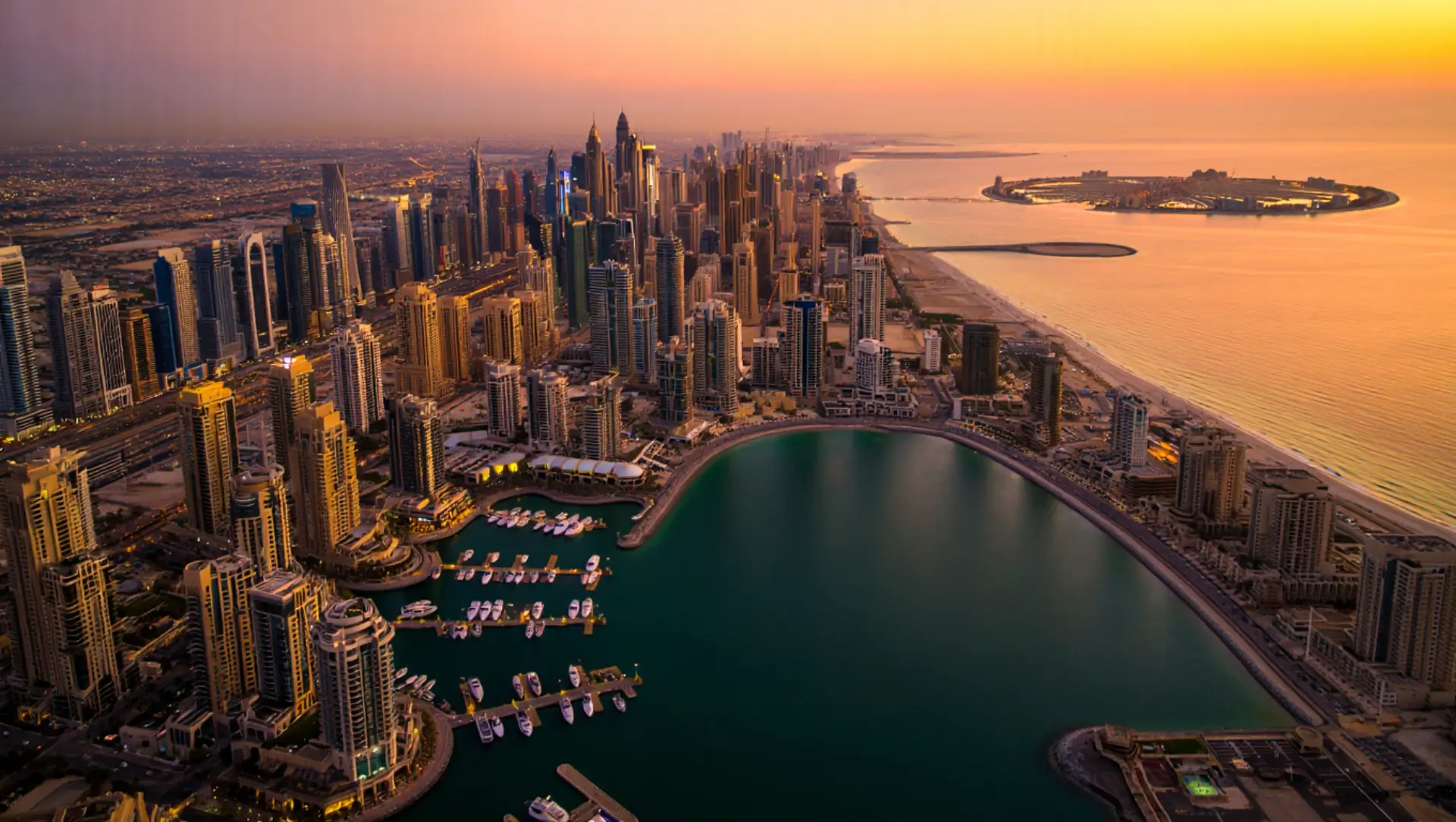
The territorial scope of dubai freehold property law operates through a carefully curated system of designated areas that reflects strategic urban planning priorities while maintaining regulatory control over foreign investment patterns. These geographic boundaries create distinct investment zones with varying characteristics, pricing structures, and development focuses that cater to different investor profiles and objectives.
Central Dubai encompasses the emirate’s most prestigious freehold areas, including Downtown Dubai with its iconic Burj Khalifa and Dubai Mall complex. This zone commands premium pricing due to its symbolic significance and proximity to major business districts. Business Bay, another central area, focuses on mixed-use developments combining residential, commercial, and hospitality properties. These locations typically attract high-net-worth investors seeking trophy assets or prime rental investment opportunities.
Western Dubai includes Dubai Marina, Jumeirah Beach Residence, and Palm Jumeirah – areas that emphasize waterfront lifestyle and luxury amenities. Dubai Marina alone comprises over 200 towers housing tens of thousands of residents, making it one of the world’s largest artificial marina developments. Palm Jumeirah, the iconic palm-shaped artificial island, represents the pinnacle of luxury freehold property with villas commanding prices exceeding AED 35 million according to recent market data.
Eastern zones encompass emerging areas like Dubai Hills Estate, Mirdif, and portions of Dubai South where development continues at rapid pace. These areas often provide more affordable entry points for foreign investors while offering substantial upside potential as infrastructure and amenities mature. Dubai South, in particular, benefits from proximity to Al Maktoum International Airport and logistical advantages that support long-term value appreciation.
Island developments including The World Islands and Bluewaters Island represent specialized freehold opportunities with unique characteristics. The World Islands project creates exclusive residential environments on artificial archipelagos, while Bluewaters features Ain Dubai (the world’s largest observation wheel) as a central attraction. These developments typically target ultra-high-net-worth individuals seeking distinctive properties.
UAE Ministry of Economy provides comprehensive economic data and investment guidelines that support the freehold property framework and its contribution to Dubai’s economic diversification strategy.
Legal Requirements and Compliance Framework
Navigating the legal requirements embedded within dubai freehold property law demands meticulous attention to documentation, procedural compliance, and ongoing obligations that extend far beyond the initial purchase transaction. These requirements serve dual purposes: protecting investor interests while maintaining government oversight of foreign property ownership patterns.
Documentation requirements begin with buyer identification and eligibility verification. Foreign nationals must provide valid passports, residency documentation (if applicable), and financial verification demonstrating legitimate fund sources for property acquisition. Corporate buyers face additional scrutiny regarding ownership structures, particularly when complex offshore arrangements are involved. Dubai Land Department policies explicitly limit approval for “unduly complicated” corporate structures that may obscure beneficial ownership.
Registration procedures require all freehold transactions to be completed through approved trustee offices affiliated with the Dubai Land Department. Buyers and sellers must appear in person or through legally authorized representatives to execute transfer documents and pay applicable fees. The standard transfer fee equals 4% of the property’s registered value, typically split between buyer and seller according to negotiated arrangements.
Title deed issuance follows successful completion of registration procedures and fee payments. The official title deed serves as definitive proof of ownership and includes detailed property descriptions, ownership percentages, and any encumbrances or restrictions affecting the property. This document becomes essential for future transactions, financing arrangements, and inheritance planning purposes.
Ongoing compliance obligations include maintaining current contact information with relevant authorities, paying annual service charges where applicable, and adhering to community regulations governing property use and modifications. Property owners must also comply with rental registration requirements when leasing properties and ensure all tenant arrangements conform to applicable housing laws.
Violation consequences can include fines, transaction restrictions, or in extreme cases, ownership cancellation for properties acquired through fraudulent means or used for prohibited purposes. The legal framework provides appeal mechanisms for disputed decisions, but prevention through proper legal counsel and compliance monitoring proves far more cost-effective than remedial action after problems arise.
Investment Implications and Strategic Opportunities

The strategic implications of dubai freehold property law extend far beyond simple property acquisition, creating sophisticated opportunities for wealth building, tax optimization, and international investment diversification that savvy investors leverage to maximize returns while minimizing regulatory risks. Understanding these strategic dimensions enables more informed decision-making and superior long-term outcomes.
Portfolio diversification benefits emerge from Dubai’s unique position as a stable jurisdiction within a volatile region. Freehold property ownership provides tangible asset diversification outside traditional Western markets while maintaining legal protections comparable to developed economies. This geographic diversification proves particularly valuable during periods of political or economic uncertainty in home countries, offering investors refuge assets with strong fundamental value drivers.
Currency hedge potential stems from property values denominated in AED (pegged to USD) while many investors hold assets in appreciating or volatile currencies. This natural hedging can protect wealth during currency devaluations while providing exposure to US dollar stability without direct currency conversion requirements. Rental income streams in AED provide additional currency diversification benefits for international portfolios.
Residency pathway opportunities represent significant non-financial benefits of freehold property ownership. Golden Visa programs linked to property investments of AED 2 million or more provide 10-year renewable residency for investors and their families. This residency status offers access to UAE banking, healthcare, and educational systems while providing a Middle Eastern base for business operations or lifestyle preferences.
Tax optimization strategies vary by investor nationality but generally benefit from UAE’s absence of personal income taxes, capital gains taxes, and inheritance taxes on property ownership. This tax-neutral environment enables wealth accumulation and transfer strategies unavailable in higher-tax jurisdictions, though investors must consider home country tax obligations and reporting requirements.
Capital appreciation potential reflects Dubai’s continued development and population growth projections. Government estimates suggest Dubai’s population will reach 5.8 million by 2040, nearly doubling current levels and driving sustained housing demand. Infrastructure investments including expanded airport capacity, metro networks, and Expo 2020 legacy projects support long-term value appreciation across freehold areas.
Begin your freehold property journey with complete legal confidence today. Understanding dubai freehold property law empowers you to make informed investment decisions while avoiding costly legal pitfalls that trap unprepared buyers. Start by researching designated areas that match your investment objectives, consult qualified legal counsel familiar with UAE property law, and engage Anika Property’s experienced consultants who understand every nuance of the freehold framework to guide you through successful property acquisition and ownership management.