





Dubai and UAE Rental Market Overview
The UAE’s rental market operates as a dynamic ecosystem where property for rent opportunities span multiple emirates, each offering distinct advantages for different tenant profiles. Dubai maintains its position as the region’s rental hub, though neighboring emirates like Abu Dhabi and Sharjah contribute significantly to the overall housing supply chain.
Market fundamentals demonstrate remarkable resilience, with rental demand consistently supported by the UAE’s growing expatriate population and expanding business landscape. The rental market stabilization in 2025 creates predictable pricing environments that benefit both landlords and tenants seeking long-term housing arrangements. This stability, however, doesn’t imply stagnation – rather, it reflects a maturing market where supply and demand achieve more balanced relationships.
Property rental dynamics vary considerably between emirates, with Dubai commanding premium rates for waterfront and city center locations while offering more affordable options in emerging communities. Abu Dhabi’s government sector employment drives steady rental demand, while Sharjah attracts budget-conscious residents seeking value-oriented housing solutions.
International relocation patterns influence rental trends significantly, with corporate relocations and entrepreneur visa programs creating sustained demand for quality homes for rent across various price segments. The market’s sophistication enables precise matching between tenant requirements and available properties, supported by advanced online platforms and professional property management services.
Types of Rental Properties Available
Apartments for rent dominate the market numerically, ranging from compact studio units perfect for young professionals to expansive multi-bedroom configurations that accommodate large families comfortably. Studio apartments typically offer 400-600 square feet of efficiently designed living space, while larger apartments extend to 3,000+ square feet in luxury developments.
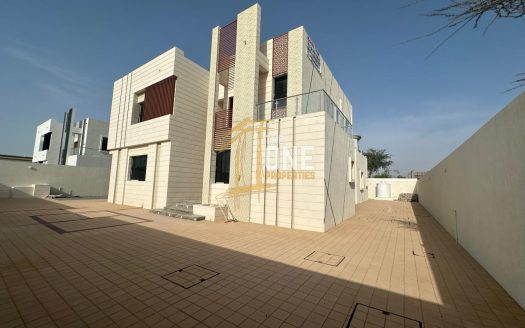
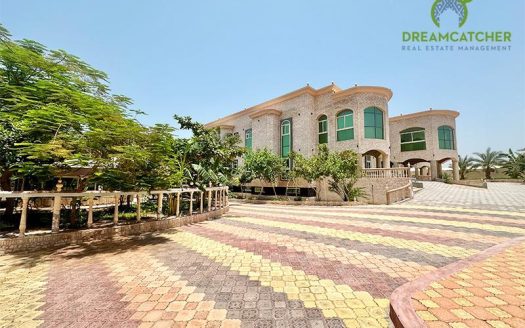
Villas for rent provide suburban family living experiences with private gardens, swimming pools, and enhanced privacy that apartment living cannot match. These rental properties often include multiple bedrooms, formal living areas, and outdoor entertainment spaces that create resort-style home environments. Villa communities typically feature additional amenities like parks, community centers, and recreational facilities.
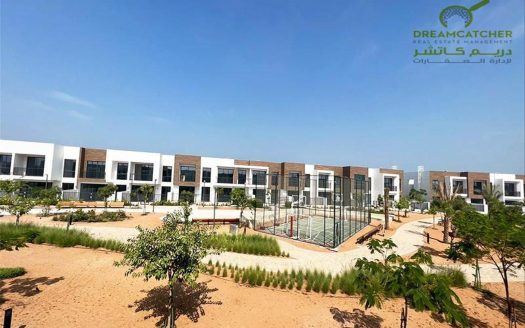
Townhouses for rent bridge the gap between apartment and villa living, offering multi-level housing with private entrances while maintaining community amenities and shared services. These properties appeal particularly to families seeking more space than apartments provide without the maintenance responsibilities of detached villas.
Luxury rentals encompass penthouses for rent with panoramic city views, waterfront properties with private beach access, and designer homes featuring premium finishes throughout. These properties command substantial rents but deliver exceptional living experiences that justify their pricing through superior locations and exclusive amenities.
The furnished rentals segment serves temporary residents and expatriates seeking immediate occupancy without furniture procurement hassles. These turnkey solutions include everything from kitchen appliances to bedroom sets, enabling tenants to move in with minimal preparation time.
Popular Areas for Rental Homes
Dubai Marina creates a vibrant waterfront lifestyle where rental apartments overlook yacht-filled harbors and pristine beaches, attracting young professionals and couples seeking urban sophistication combined with resort-style amenities. The area’s dining, entertainment, and shopping options provide comprehensive lifestyle packages that justify premium rental rates.
Downtown Dubai represents the emirate’s cultural and business epicenter, where homes for rent offer proximity to major landmarks, corporate offices, and world-class shopping destinations. Properties here command premium prices but deliver unmatched convenience for residents working in central business districts.
Business Bay positions itself as Dubai’s financial hub, offering modern rental properties within walking distance of major corporate headquarters. The area attracts business executives and financial professionals seeking convenient commutes combined with dynamic urban environments.
JVC provides affordable rentals without sacrificing quality or community amenities, making it particularly attractive for families and budget-conscious professionals. The area’s family-friendly environment includes parks, schools, and retail facilities that support comfortable suburban living at accessible price points.
International City offers some of the market’s most affordable rental options, attracting students, new expatriates, and budget-focused residents seeking basic accommodation near major employment centers. Palm Jumeirah delivers exclusive island living with luxury villas and apartments commanding premium rents for their unique locations and resort-style amenities.
Dubai Hills Estate and Al Barsha represent family-oriented communities where rental villas and larger apartments cater to established residents seeking quality neighborhoods with comprehensive amenities and excellent school access.
Rental Market Trends and Pricing
Current rental trends reflect the market’s maturation phase, where price volatility decreases while quality standards continue improving across all property segments. Rental prices demonstrate seasonal patterns, with peak demand periods typically occurring during autumn months when new expatriate arrivals increase significantly.
Annual rent calculations vary dramatically by location and property type, with studio apartments starting around AED 25,000 in affordable areas and reaching AED 80,000+ in premium locations. One-bedroom rental apartments typically range from AED 35,000 to AED 120,000 annually, while larger family homes can command AED 150,000 to AED 500,000+ depending on size and location.
Monthly rent structures accommodate tenants preferring shorter payment cycles, though most landlords favor annual payments that provide cash flow stability. Rental costs include base rent plus additional charges for utilities, maintenance, and community amenities that vary by property type and location.
Market trends indicate increasing demand for flexible lease terms and furnished options as the workforce becomes more mobile and international. Rental yields for property owners remain attractive compared to global markets, supporting continued investment in rental property development.
Rental Process and Legal Requirements
The process to rent property in Dubai follows standardized procedures designed to protect both landlords and tenants while ensuring legal compliance throughout tenancy periods. Initial property viewings help tenants assess suitability before committing to rental contracts that typically span 12-month periods.
Essential documentation includes Emirates ID for UAE residents, passport copies, visa stamps, and employment letters that verify income stability. Security deposits typically equal 10% of annual rent, plus agent commissions of 2-5% depending on property value and lease terms.
Ejari registration represents a crucial legal requirement that legitimizes tenancy agreements through government databases. This process involves submitting tenancy contracts, property ownership documents, and tenant identification to Dubai Land Department systems. DEWA connection procedures enable utility services activation, requiring additional deposits and documentation.
Tenancy contracts specify rental terms, payment schedules, maintenance responsibilities, and renewal options that govern landlord-tenant relationships throughout lease periods. Understanding tenant rights under UAE law helps renters navigate disputes and ensure fair treatment during their residency.
Short-term vs Long-term Rentals
Short term rentals serve travelers, business visitors, and temporary residents requiring flexible accommodation without long-term commitments. These furnished properties typically rent daily, weekly, or monthly with premium pricing reflecting their convenience and flexibility. Hotels alternative short-term rentals provide apartment-style living with kitchen facilities and separate living areas.
Long term rentals benefit residents seeking stable housing arrangements with predictable costs and community integration opportunities. These unfurnished rentals allow tenants to personalize their living spaces while building relationships within neighborhoods and communities.
Financial considerations favor long-term arrangements through reduced per-night costs and stable monthly budgets, while short-term options provide maximum flexibility for uncertain schedules. Some properties offer rent-to-own schemes that enable tenants to build equity while occupying their homes, though these arrangements remain relatively uncommon in the UAE market.
Essential Amenities and Services
Modern rental properties include comprehensive amenity packages that enhance residents’ quality of life while justifying rental rates through value-added services. Community amenities typically feature swimming pools, fitness centers, children’s play areas, and landscaped gardens that create resort-style living environments.
Residential properties increasingly include smart home features, high-speed internet connectivity, and integrated security systems that meet contemporary living standards. Proximity to schools, healthcare facilities, and shopping centers influences rental demand significantly, with well-connected properties commanding premium rates.
Transportation links including metro stations, bus routes, and major highways affect property desirability and rental values substantially. Properties near Dubai Marina Metro or other public transportation hubs attract tenants seeking car-free lifestyle options, while suburban locations appeal to families prioritizing space and community amenities.
Property management services handle maintenance requests, facility operations, and tenant relations, creating hassle-free living experiences that justify service charges and management fees included in many rental arrangements.
FAQ
What documents are required to rent property in Dubai? Essential documents include Emirates ID (for UAE residents), passport with valid visa, employment letter or salary certificate, bank statements, and security deposit. Additional requirements may include previous tenancy contracts and character references depending on landlord preferences.
What is the average cost of renting homes in Dubai? Rental costs vary significantly by location and property type. Studio apartments start around AED 25,000 annually, one-bedroom units range from AED 35,000-120,000, while family villas can command AED 150,000-500,000+ depending on size, location, and amenities included.
How does the Ejari registration process work? Ejari registration requires submitting signed tenancy contracts, property ownership documents, and tenant identification to Dubai Land Department. The process can be completed online or through approved typing centers, typically taking 1-2 days with fees around AED 220 plus additional service charges.
What are the differences between furnished and unfurnished rentals? Furnished rentals include furniture, appliances, and household items enabling immediate occupancy, typically commanding 15-30% premium pricing. Unfurnished rentals provide empty properties allowing tenant personalization but requiring furniture procurement and longer setup periods before comfortable occupancy.